

























































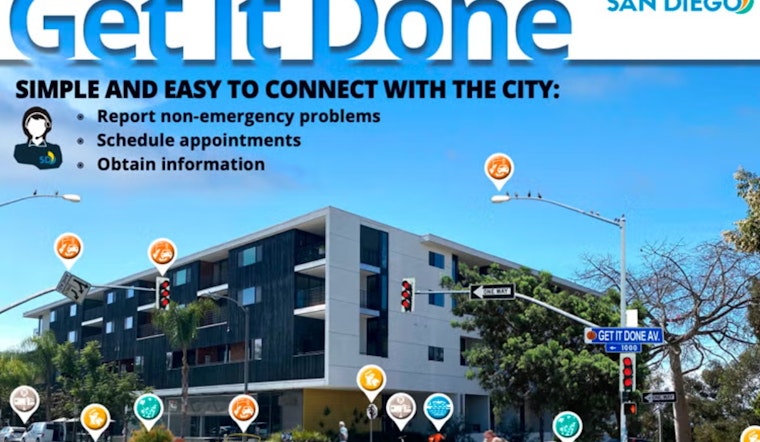
For San Diegans tapping the city’s Get It Done app, logging a non-emergency report can feel like yelling into the void. From busted streetlights to beat-up sidewalks and stubborn parking scofflaws, fixes are taking weeks or even months to show up. Residents from Pacific Beach to Encanto say problems linger long enough to disrupt daily routines, turning the app into a place to park complaints rather than resolve them.
City data and analysis show a large backlog
An analysis of city records by Axios found that as of last week, San Diego had almost 85,000 open cases sitting in the Get It Done system. Some of those requests have lingered for up to a decade, according to the outlet’s review of city data. Sidewalk repair and street-light maintenance are among the worst offenders, together accounting for thousands of unresolved reports.
Parking enforcement delays vary widely by neighborhood
Parking complaints tell their own story. Data from the City of San Diego data portal show that in 2026, the average time to close a 72-hour parking case has stretched to 46 days, up from 43 days in 2025. Where you live can make a big difference: in Pacific Beach, the average closure time is roughly 14 days, while in Del Mar Mesa, Torrey Highlands and Carmel Mountain it is closer to 125 days. Lower-income neighborhoods such as Southeastern San Diego, Skyline-Paradise Hills and Encanto each have hundreds of open cases in the pipeline. Overall, the city still lists nearly 4,000 open 72-hour parking complaints even as the department has closed almost 12,000 this year, according to the same data.
Police point to staffing and process constraints
Responding to questions from Axios, city spokesperson Leslie Wolf Branscomb said the San Diego Police Department knows residents are frustrated and is constantly working to maximize resources while dealing with staffing constraints. She also noted that the department has closed nearly 12,000 72-hour parking complaints this year and advised residents to allow up to 30 days for a complete evaluation, citing the volume of requests and the steps involved in processing them.
How a 72-hour report is handled
According to the city’s own Get It Done guidance, reports about vehicles parked longer than 72 hours are routed to the Abandoned Vehicle Abatement team. An officer is assigned to check the car, mark it, then return after 72 hours to see whether it has moved. If the vehicle has not budged, it can be cited and, in some cases, impounded. Other complaints, such as potholes, illegal dumping and graffiti, follow different response tracks. The Get It Done site also notes that some reports are referred outside the system and that response timelines vary by department and by priority level, per the city’s online guidance on Get It Done.
What residents say they want
For neighbors like Pacific Beach resident Wendy Eichenbaum, who told Axios the whole thing feels like “playing Whack‑a‑Mole,” the core issue is less the app itself and more the lack of timely enforcement and clear communication from the city. Officials point to a 2024 internal mobile tool that is supposed to help officers respond in real time, along with ongoing recruitment and staffing efforts. Community groups, however, say they are looking for firmer timelines and more transparency about what happens after a report is filed. Until that changes, the city’s open-data portal remains the most straightforward way for residents to see where their request sits in the ever-growing queue.



