

























































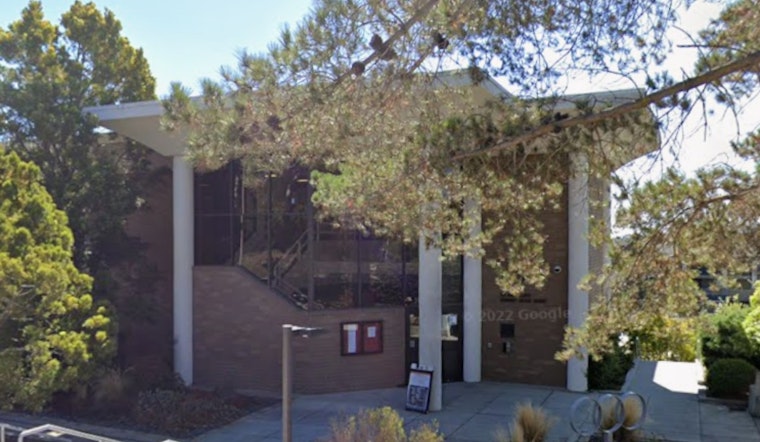
Contract talks at the San Mateo County Community College District have hit the kind of wall that sends everyone to the rulebook. The district and its faculty union are now in a formal fact-finding process while AFT Local 1493 members vote this week on whether to authorize a strike. District leaders say their latest offer puts more than $31 million on the table in multi-year raises and better pay for part-time instructors. The union’s strike-authorization vote runs today until Thursday, and is meant to signal how far faculty are willing to go if negotiations keep stalling.
District’s proposal: raises and part-timer parity
The district's proposal, which it says totals more than $31 million, would give full-time faculty a 4% raise in year one and 3.5% in each of the following two years, and would phase part-time lecture pay toward roughly 85% of full-time by year three, according to a district press release from the San Mateo County Community College District. The offer breaks out a 5.5% boost for part-timers in year one, about a 5.3% average increase in year two to reach roughly 83% parity, and a 6% increase in year three to reach approximately 85% parity. District officials have framed the package as a concrete move toward long-standing parity goals and say it is in line with recent settlements for other employee groups.
Union response and strike authorization vote
AFT Local 1493 has pushed back, arguing the district has historically underpaid instructional faculty and that the current package still leaves many adjuncts lagging behind. The union’s “Count On Me” campaign and its strike-authorization ballots, available both online and in person March 10 to 12, are intended to show whether members authorize leadership to call a strike if the impasse is not resolved, according to AFT Local 1493. “Our demands are reasonable and just,” AFT1493 President Rika Yonemura-Fabian told the San Mateo Daily Journal, adding that any walkout would come only after fact-finding and continued failed negotiations.
What fact-finding means
Because the two sides remain apart, the dispute has moved to a neutral fact-finding panel, a state process that gathers evidence, hears arguments from both parties and issues a written recommended settlement. The Public Employment Relations Board explains that fact-finding reports are advisory rather than binding, that panels typically weigh district finances, comparisons to other community college districts and the broader public interest, and that the process can take several months. Once the panel issues its recommendations, the parties can return to the bargaining table, implement terms or pursue other legal and labor options.
What happens next
If members authorize a strike and talks still fail after fact-finding, union leaders say a walkout would be a last resort and would occur only after all impasse procedures are exhausted. District officials say they remain committed to reaching an agreement while minimizing disruption. SMCCCD serves more than 30,000 students across Cañada College, College of San Mateo and Skyline College, a reality both sides say raises the stakes for reaching a timely settlement. For now, negotiators will use the fact-finding window to press their fiscal and contract arguments while faculty cast their ballots this week.





