

























































A Sarasota medical laboratory is cutting a hefty check to the federal government after getting swept up in a Medicare kickback probe. The lab has agreed to pay $980,000 to resolve allegations that it paid marketers for Medicare referrals in violation of the federal Anti-Kickback Statute, which prosecutors say led to false claims being submitted to Medicare. The company self-reported the conduct and worked with investigators before striking the deal to settle the case.
According to Tampa Bay 28, U.S. Attorney Gregory W. Kehoe announced that Allin IP DX LLC agreed to the payment after allegedly remunerating independent marketers in exchange for referrals. Prosecutors say the payments took place between January 2 and June 15, 2023, and that those arrangements resulted in false Medicare claims under the False Claims Act. The outlet reports that the final civil resolution totals $980,000.
Lab Identity and Local Records
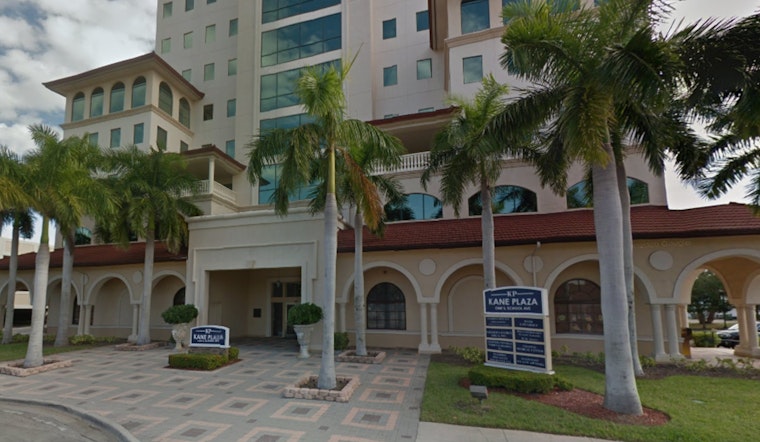
State and federal provider records identify the business as Allin IP DX LLC (d/b/a Lab Services LLC), with a Sarasota practice location at 1 S School Ave, Suite 900. That information appears in filings with the Florida Division of Corporations and in federal provider records. The Sunbiz entry lists the principal office at the Suite 900 address, and the lab’s NPI/CLIA record shows the same practice location and phone number.
What Prosecutors Say Happened
U.S. Attorney Gregory W. Kehoe framed the deal as a signal to anyone tempted to treat Medicare referrals like a rewards program. “This settlement is a reflection of our commitment to protect our healthcare programs,” he said in announcing the resolution, according to Tampa Bay 28. Prosecutors described the underlying conduct as remuneration to independent marketers that induced referrals of Medicare beneficiaries, conduct they say runs afoul of the federal Anti-Kickback Statute. The office also pointed out that Allin voluntarily self-disclosed the issue and cooperated with investigators, which the government said factored into how the matter was ultimately resolved.
Why Self-Disclosure Matters
Federal regulators have been clear that coming clean early can soften the blow when potential fraud problems surface. Guidance from HHS-OIG encourages providers to report suspected violations through the agency’s Health Care Fraud Self-Disclosure Protocol, which explains that timely and thorough cooperation can reduce civil exposure and streamline how a case is handled. The protocol asks disclosing parties to outline corrective actions and provide damage estimates, and notes that OIG coordinates with the Justice Department when civil or criminal issues arise. Legal analyses of the updated protocol say that when companies voluntarily step forward and meet the protocol’s requirements, they often face lower multipliers and fewer extra obligations than in government-initiated investigations.
Enforcement in the Middle District
The Middle District of Florida has not exactly been on the sidelines in health care enforcement. Federal prosecutors there have brought a series of fraud matters in recent years, including a November settlement in which a Tampa pharmacy agreed to pay more than $17 million over alleged false Medicare claims for OTC COVID tests, as reported locally. Those larger recoveries underscore the district’s focus on rooting out schemes that siphon money from Medicare and other federal health programs, whether the targets are big-ticket operations or smaller players.
Legal Implications
The Anti-Kickback Statute prohibits offering or paying remuneration to induce referrals for services covered by federal health care programs, and claims tied to those arrangements can trigger False Claims Act liability and treble damages. HHS-OIG and the Justice Department have repeatedly warned that violations can result in civil penalties, exclusion from federal programs, and other enforcement measures. Smaller civil settlements like this one often resolve a provider’s exposure when the company self-discloses, fixes the underlying conduct, and negotiates a payment to the government.
For now, the settlement closes the government’s civil claims against Allin IP DX LLC. The company will pay $980,000 under the agreement, and the matter is considered resolved unless additional filings emerge. This story will be updated if the U.S. Attorney’s Office issues a full public release or if court records reveal further details.





