

























































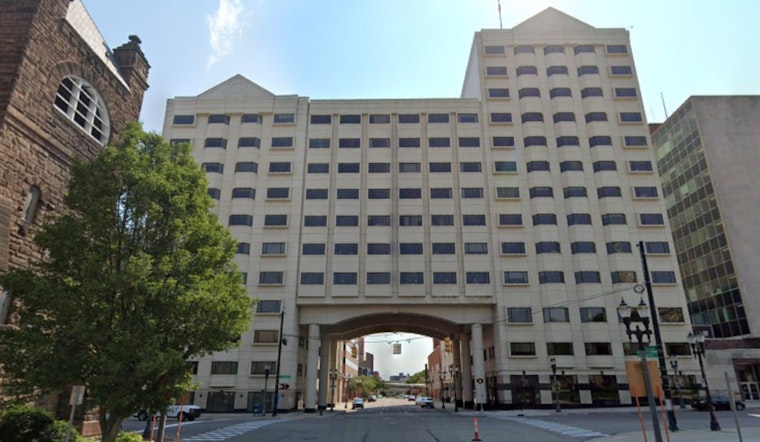
Jackson County is asking the state to step in with roughly $54.4 million to finally deal with its aging jail problem, a plan that would shift most operations to the Chanter Road complex and wind down the much older Wesley Street lockup. County leaders told lawmakers the move is meant to tackle chronic structural issues, expand mental health and addiction treatment for people held pretrial, and cut long-term maintenance costs. The request comes after a string of failed local millage attempts and budget cuts that officials say left the county unable to bankroll a full jail rebuild on its own. For residents, the change would mean most pretrial operations move to Chanter Road, while Wesley Street gets repurposed for secure inmate transport and administrative use.
What the $54.4M request includes
State Rep. Kathy Schmaltz has put a $54,462,520.41 spending line on the legislatively directed list to remodel and expand the Chanter Road facility, according to Michigan House documents. The same paperwork lists the Jackson County Sheriff's Office as the recipient and names both 212 W Wesley Street and 1995 Chanter Road in Jackson as project locations. Within that total are smaller pieces, including about $12 million for a modern booking center at Chanter Road and roughly $1.19 million to expand housing for women, changes that officials say would ease overcrowding at the Wesley Street jail.
Lawmakers heard about unsafe conditions
At a hearing earlier this month, Schmaltz and Jackson County Sheriff Gary Schuette told lawmakers that the Wesley Street jail, built in the 1950s and now more than 70 years old, is riddled with frequent sewage leaks, failing locks and unsafe conditions, as reported by MLive. They argued that converting part of the Chanter Road complex into a centralized booking center and adding a secure pretrial wing would lower liability risks and make room for dedicated mental health and addiction treatment units that could help reduce recidivism. Schuette told the committee that conditions inside the current jail are "unacceptable for everyone involved," according to the reporting.
Local votes and budget constraints
County officials say their attempts to pay for major upgrades at the local level have repeatedly fallen flat, which has forced cuts and delayed maintenance and left the sheriff's office juggling staffing and day-to-day operations. Local reporting shows voters rejected earlier millage proposals, and the county moved to place another tax increase on the ballot after those defeats, a sequence that supporters say has limited Jackson County's ability to finance a new facility, as WKAR reported.
How the plan would reconfigure the jail
Under the current proposal, the Wesley Street jail would no longer be used for general detention, and one of the barracks at Chanter Road would be converted into a centralized booking center with a new secure addition for pretrial inmates, according to Michigan House documents. County leaders say the redesign would create step-down units for both men and women focused on behavioral health and addiction treatment, boost safety for corrections officers, and trim the long-term costs that come with operating two separate facilities.
Next steps in Lansing
The $54.4 million request is one of many legislatively directed spending items that lawmakers and the governor will have to sift through as they assemble the state budget, and there is no guarantee it will make the final cut, according to reporting by Bridge Michigan. County officials say they plan to keep lobbying appropriators while also working on local designs and updated cost estimates that would be required if the state money comes through.
For now, Jackson County will wait to see whether Lansing includes the jail item in its final budget this spring and will continue operating both aging facilities in the meantime. Residents and local leaders will be watching whether the state funding survives the committee process that decides which legislatively directed projects actually move forward.





