

























































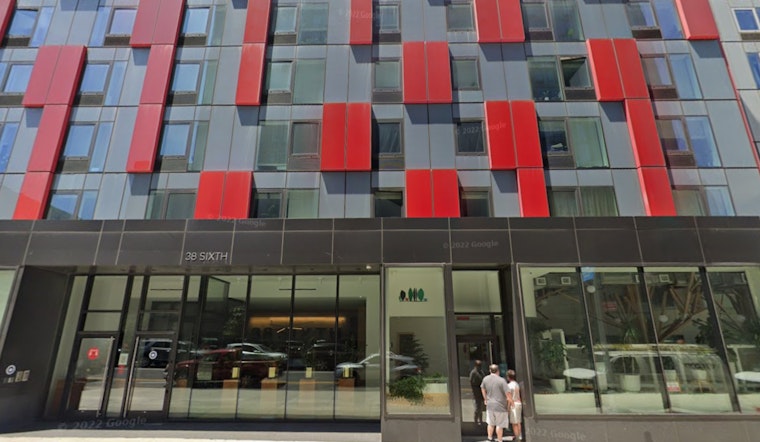
In a growing crop of so-called luxury towers across New York City, tenants say the shine wears off fast. From Greenpoint’s waterfront to Mott Haven and the blocks around Barclays Center, residents in new high-rises are logging complaints about water outages, leaks, flickering power and even pests, all while paying premium prices. The result is an unlikely alliance of tenants, housing advocates and city inspectors, all focused on the same question: what, exactly, are renters getting for those sky-high monthly checks?
A recent analysis of nearly 1,600 residential buildings completed since 2016 found that close to 10 percent of them have at least one housing-code violation per apartment, with an average of 2.1 violations per unit compared with a citywide average of 0.8, according to The Real Deal. That reporting highlights a handful of marquee towers where residents say the issues are chronic, including One Blue Slip in Greenpoint, ONE38 in Mott Haven and 38 Sixth near Barclays Center. Together, the numbers and the on-the-ground stories suggest many of the problems are clustering in some of the city’s newest, amenity-heavy rentals.
City Hall has been signaling it is ready to lean harder on problem landlords. The mayor’s office announced a multimillion-dollar settlement this winter that is meant to force repairs and curb tenant harassment, while the city expanded its Alternative Enforcement Program for the most troubled buildings. Independent watchdogs tracking the data point to a sharp jump in open violations in FY2024 and say the AEP expansion is designed to speed up repairs and make owners feel the financial hit. The idea is to match more aggressive enforcement with the flood of complaint data tenants are already generating.
Developers and industry figures, for their part, point to a messy cocktail of causes: rising material costs, pandemic-era supply-chain breakdowns and a shortage of skilled tradespeople, all feeding pressure to get buildings leased up quickly. Those themes surfaced in a congressional hearing on housing supply and innovation that warned that higher costs and thinner workforces can erode construction quality and slow down fixes. For tenants paying top-dollar rents, the line between systems that are still “getting tuned” and conditions that feel unsafe or unlawful can look extremely thin.
Greenpoint Tower Troubles
On the Greenpoint waterfront, One Blue Slip is a Brookfield-backed tower that rises roughly 30 stories, with about 350 to 360 units, according to CityRealty. Market listings show that three-bedroom units in the building are advertised at thousands of dollars per month on 6sqft. Residents and local coverage have repeatedly pointed to leaks, flooding and recurring service glitches, a frustrating backdrop for a building marketed on its waterfront views and amenities. Its visibility along the East River means those maintenance headaches have not stayed a private matter, drawing attention from neighbors and local officials alike.
Bronx Project Draws Legal Pressure
Across the river in Mott Haven, tenants at ONE38 reported unstable electricity and hot water soon after moving in, according to coverage that tracked complaints inside the building and how the situation spilled into court. In 2024, the city’s Department of Housing Preservation and Development sued the owner over heat and hot-water outages, a move that took the dispute from service tickets to full-blown litigation. Some residents who withheld rent during the outages soon found themselves facing eviction cases, a fast escalation that shows how quickly a broken boiler or spotty wiring can turn into a legal standoff.
Public records and project coverage lay out ONE38’s size, financing and address, documenting how the development came together on paper before the first tenants arrived, in outlets including Commercial Observer, New York YIMBY and The Real Deal.
What Tenants Can Do
Tenant advocates and data-focused watchdogs say the most important thing renters can do is turn every problem into a paper trail. That means documenting issues, filing 311 complaints and requesting inspections from the Department of Housing Preservation and Development, since official records are what fuel enforcement. Analysts point out that HPD’s Alternative Enforcement Program and its Emergency Repair Program can force repairs and even let the city step in to do the work, then bill owners who stall or refuse.
With both the mayor’s office and HPD talking up tougher oversight, tenant organizing, detailed complaint histories and sustained legal pressure are increasingly becoming the quickest way to get fixes in some of these gleaming new towers. For more on violation data and enforcement tools, tenants can look to ViolationWatch.NYC, along with recent enforcement announcements from the Mayor's Office.



