

























































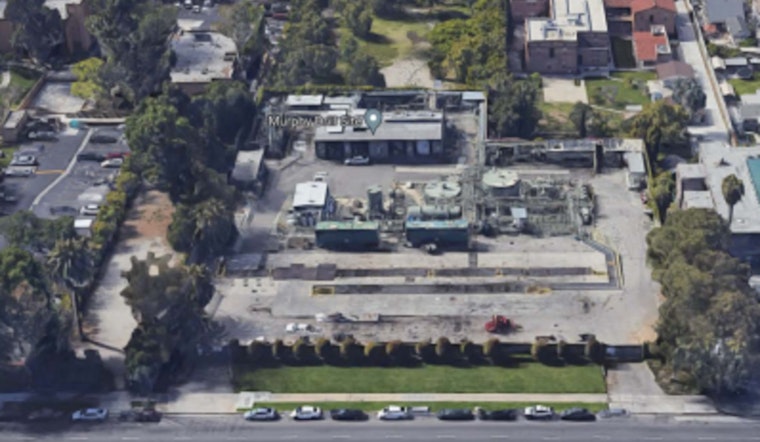
The long-controversial Murphy Oil drill site on West Adams is finally getting a tighter leash from City Hall. Planners have slapped a new bundle of operating conditions on the green-walled lot tucked near homes and schools, forcing more enclosure of equipment, vapor-recovery systems, and beefed-up monitoring to cut emissions and noise. Local organizers say the move caps years of door-to-door organizing and research that tied neighborhood drilling to respiratory problems.
On Feb. 28, 2023, the Los Angeles Office of Zoning Administration issued a binding determination, Case No. ZA-1959-15227, adding more than 30 requirements to the site’s plan approval, according to a Los Angeles City Planning staff report. The packet states that the conditions were imposed "to increase the protection of and to preserve the health, safety, and general welfare of the residents and stakeholders of the neighborhood."
Neighbors and neighborhood councils have been pressing for changes for years, filing objections to expansions, pushing back on large burners, and demanding regular reviews and emissions monitoring, community records show. As reported by Annenberg Media, many residents said they had no idea wells were operating behind the tall green fences until organizers started knocking, and later linked recurring headaches and breathing trouble to the site. Local groups such as the West Adams Heritage Association have spent more than a decade tracking appeals and Zoning Administrator rulings tied to the Murphy operation.
What the City Ordered
The Zoning Administrator’s determination requires the operator to enclose specified surface equipment, install additional vapor-recovery measures, expand emissions monitoring, and file more frequent regulatory reports, according to the staff materials. It also authorizes periodic plan-approval reviews, giving the city a standing chance to tighten or add corrective conditions if the operator slips out of compliance.
Research Linking Drilling to Lung Harm
Community-backed science helped load the dice. A 2021 study in Environmental Research led by Jill Johnston found that residents living close to active urban oil sites in Los Angeles had lower lung function and higher odds of recent wheeze and other respiratory symptoms compared with people living farther away. Public university outlets and health researchers have pointed to those findings when arguing for tougher local limits on neighborhood drilling.
State Cleanup and a Federal Challenge
While the city tightens rules at Murphy, state officials have been moving on another front. In February 2026, Gov. Gavin Newsom announced that crews had permanently plugged and sealed 21 wells at the AllenCo site in University Park, a step his office framed as a win for neighborhood health. At nearly the same time, the U.S. Department of Justice filed suit in January 2026 seeking to block California’s 3,200-foot setback law, setting up a legal fight that could reshape how the state and its cities regulate wells near homes and schools.
Legal Implications
The federal complaint argues that SB 1137 is preempted by long-standing federal mineral-leasing laws and asks the court to halt enforcement, a move that administration and industry officials say is needed to protect federal lease activity. Environmental and public-health advocates counter that overturning the law would wipe out protections meant to keep drilling away from schools, hospitals, and residences, reporting on the case shows.
Community Reaction
Neighbors have greeted the new conditions with cautious relief, pairing celebration with a familiar Los Angeles refrain: it all comes down to enforcement. "We didn’t know it could be connected to that," resident Andrew Valencia told Annenberg Media, describing headaches and breathing problems he experienced before learning the drill site was operating nearby.
The Murphy site remains active, but the new conditions raise the bar for operators working in dense neighborhoods. For South Los Angeles, the decision underlines how regulatory scrutiny, persistent community organizing, and scientific research can eventually collide to change the way long-running industrial sites are managed.





