

























































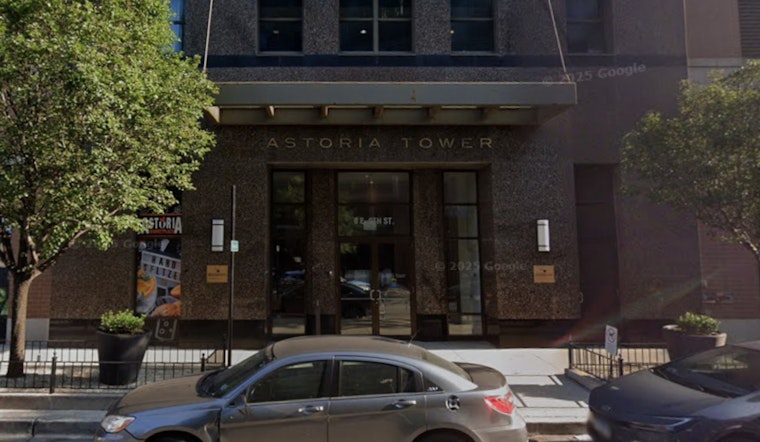
At Astoria Tower in Chicago's South Loop, more than 100 residents say they are staring down eviction threats after organizing over what they describe as years of unsafe and unhealthy conditions inside the building.
Members of the Astoria Tower Tenants Association say they have been withholding a portion of their rent while pushing for roughly a 14 percent reduction to reflect chronic problems, including repeated elevator failures, overflowing trash chutes and a fire suppression system that tenants say has been out of service. Residents and organizers say management has responded with emails and texts warning about late fees and possible lease termination, which tenants describe as retaliation for organizing.
The 30-story, 248-unit tower at 8 E. 9th St. was acquired by 3L Real Estate in 2022 and has attracted investor attention ever since. According to Multi-Housing News, the 2022 sale to 3L was widely reported, and Crain's Chicago Business reported that the owner later hired brokers to market the property for a potential resale, a development tenants say has raised the stakes of their dispute.
Residents who spoke with CBS News Chicago say they formed the Astoria Tower Tenants Association with more than 100 members and, with guidance from tenant-advocacy organizers, decided to withhold part of their rent to pressure management to address what they view as serious safety and habitability problems.
CBS News Chicago reported that city records show dozens of 311 complaints about elevators that stopped working entirely or dropped between floors. Chicago Fire Department crews have had to free people trapped in elevators multiple times, according to the station, which also reported that the Department of Buildings fined the property for repeated noncompliance. Tenants told the station they are asking for about a 14 percent rent reduction to account for what they describe as diminished living conditions.
Tenants Describe Unsafe Conditions
“I've personally gotten stuck in the elevator,” one resident told CBS News Chicago. Other tenants described being forced to climb dozens of flights of stairs when the elevators failed.
Residents also pointed to a mechanical fire last year that they say left the building on fire watch while the fire suppression system was repaired. Organizers say those first-hand experiences of being trapped, stranded or left relying on fire watch in a high-rise are a big reason tenants opted for a coordinated rent action rather than scattered individual complaints.
Where Renters Stand Under Chicago Law
Chicago's Residential Landlord and Tenant Ordinance, or RLTO, spells out specific remedies for renters when serious habitability problems are not fixed in a timely way. Those tools include options like repair and deduct, potential rent abatement and protections against retaliatory eviction once tenants follow required notice procedures.
The Metropolitan Tenants Organization's summary of the RLTO, along with related municipal code materials, explains how the ordinance's notice rules and anti-retaliation provisions are supposed to work. Organizers say tenants at Astoria Tower are citing those protections as the legal basis for withholding part of their rent.
Tenant advocates emphasize that anyone considering withholding rent should carefully document problems, send written notices and keep copies of all receipts and correspondence. That paper trail can become critical if a landlord files an eviction case and tenants need to raise legal defenses in court.
Residents at Astoria Tower say they plan to contest any eviction filings and will lean on organizers for legal support and public pressure if management follows through on threats to remove tenants. Organizers warn that a sale of the building could complicate negotiations if a new owner wants to clear out units.
They are urging neighbors to keep an eye on court records, share information about any new filings and reach out to tenant-assistance groups if they receive legal notices. Crain's Chicago Business previously reported that the property had been marketed for sale, a detail residents say adds urgency to their campaign to stay in their homes while pushing for safer conditions.





