

























































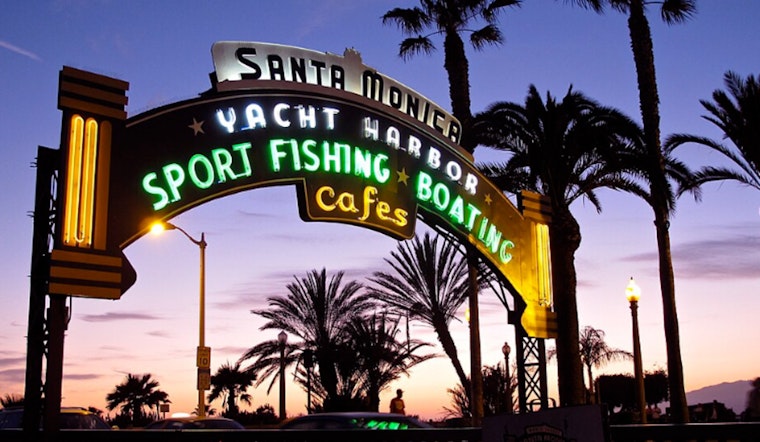
Spring break in Santa Monica is looking less like a college keg fest and more like a stroller parade this year. Short-term rental searches and weekend bookings are climbing as parents lock in close-to-home beach escapes, and those afternoon lines at the Pier are now packed with kids instead of club crews. The timing is welcome for a tourism industry that still props up a big share of local revenue, even as city officials warn that serious budget trouble is looming.
Airbnb Searches Show Families Leading The Charge
According to Santa Monica Daily Press, Airbnb’s spring numbers show a sharp rise in family searches for Santa Monica stays. Californians account for roughly 11% of searches, and families make up about 60% of Angeleno travelers looking at the city. The company reported that some California coastal towns saw search growth as high as 70% compared with last year and used the update to remind guests that disruptive parties are banned, with reservation-screening tools flagging higher-risk bookings. That combination of stronger family demand and tighter platform rules is already shaping how hosts, hotels, and restaurants plan staffing for March and April.
Tourism Still Powers Santa Monica's Budget
Statistical data from Santa Monica Travel & Tourism shows that the city welcomed about 4.22 million visitors in 2024, generating roughly $916.6 million in visitor spending and about $62.7 million in lodging and short-term rental tax receipts. The report notes that international travelers spend disproportionately more, even though overnight guests represent only a slice of total foot traffic. For promenade retailers and family-friendly restaurants, a spring bump in bookings and day-tripper crowds can translate quickly into sales that help keep local paychecks flowing.
City Faces A Structural Shortfall
Even with a springtime lift, city leaders are clear that tourism alone will not patch the budget holes. As outlined by the City of Santa Monica, the Realignment Plan projects a roughly $29.1 million structural general-fund deficit by fiscal year 2026-27, driven in part by weaker transient-occupancy-tax and sales-tax collections. The forecast is pushing a mix of proposed revenue measures and spending controls aimed at keeping city services stable over the next two years.
Regional Headwinds Could Cut Into Gains
Industry forecasters warn that broader economic forces could eat into local gains. Visit California has pointed to softer international demand and a modest dip in overall visitation in 2025, a concern because overseas visitors typically spend more per trip. County officials say the January 2025 wildfires could shave billions from regional output, with the Los Angeles County Department of Economic Opportunity and LAEDC estimating total output losses in affected areas between $5.2 billion and $10.1 billion through 2029. That adds another layer of uncertainty for higher-end hotels and businesses that rely heavily on international travelers.
What Families And Local Businesses Should Know
For families, the bottom line is straightforward: shorter drives, family-ready listings, and local hotel offers are making Santa Monica a convenient, lower‑stress spring option. The city and its tourism partners have leaned on seasonal staycation programs and targeted hotel promotions in past years to capture nearby demand, as noted on Visit Santa Monica's visitor pages. Local business owners say that even a solid weekend surge from Southern California households can meaningfully boost revenues after a slow winter.
In short, Airbnb’s search spike suggests Santa Monica’s family appeal is firmly in play this spring, and the extra traffic should give restaurants, shops, and hotels some welcome momentum. City officials and industry analysts caution, however, that the long game still hinges on rebuilding international demand and confronting structural budget gaps, even as everyone tries to make this spring count.





