

























































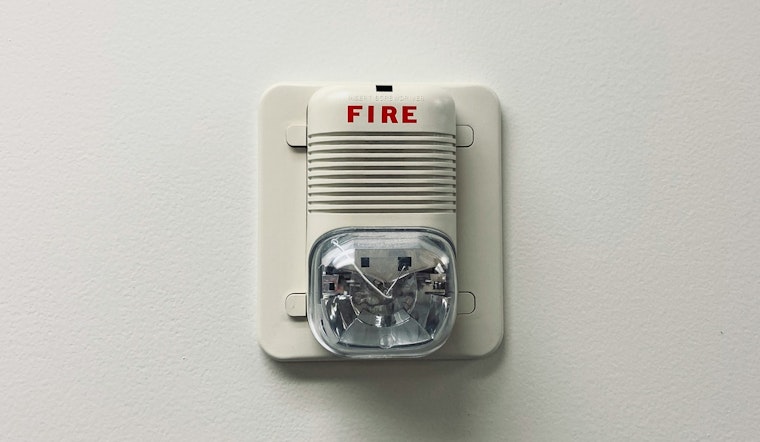
As Minnesota gets ready to spring the clocks forward, state public-safety officials are tracking a much more sobering number: 15 people across the state have already died in fires this year. With that grim tally in mind, they are pushing residents to double-check smoke and carbon monoxide alarms and to swap out batteries twice a year.
The Minnesota Department of Public Safety shared the death count and a round of safety reminders in a short Facebook reel posted March 8. The video calls a working smoke alarm “the first line of defense” and urges Minnesotans to make battery changes part of their clock-change routine.
How These Fires Start
National research shows that cooking is the leading cause of reported home structure fires, while smoking materials remain among the deadliest causes. Heating and electrical failures also account for many fatal blazes, according to NFPA. Put together, those everyday risks mean that a small lapse like leaving a pan unattended or a cigarette smoldering can quickly turn lethal.
State Trends and Who Is Most at Risk
Minnesota has seen deadly surges before. State figures show 70 people died in fire-related incidents in 2022, the highest total since 1995, and many of the victims were older adults or lived outside the Twin Cities, according to the Minnesota Department of Public Safety. Officials have repeatedly cited factors such as smoking while on oxygen, substance use and homelessness as contributors to fatal fires.
Simple Steps That Save Lives
Fire experts and federal safety agencies recommend testing alarms every month, replacing batteries at least twice a year when you change your clocks, swapping out smoke alarms that are more than 10 years old and considering units with sealed 10-year batteries, according to the CPSC. If an alarm chirps or is past its manufacture date, it should be replaced immediately. Many local fire departments will install or check alarms for residents who need help.
If you need assistance, contact your local fire department for alarm installs or inspections, and call 911 in an emergency.





