

























































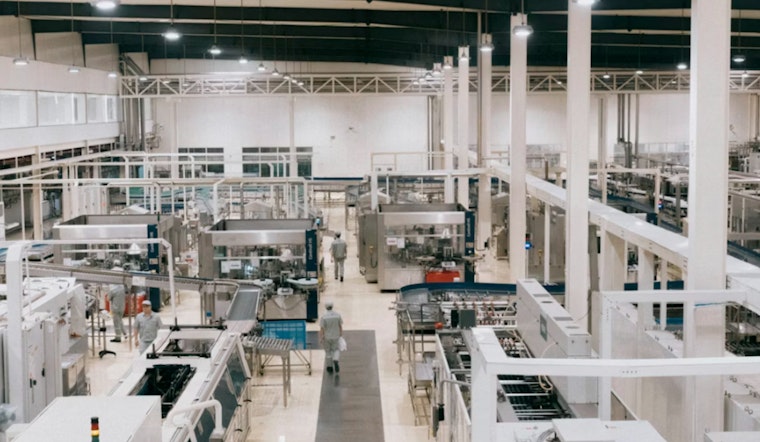
In the latest snapshot of the St. Louis economy, the gears on the factory floor are turning a bit faster while cash registers on Main Street are slowing down. The new Beige Book for the Federal Reserve's Eighth District describes an economy where industrial demand is firming up even as auto dealers and some consumer-facing businesses report softer sales. That split, with steady hiring, moderate wage gains and rising input costs, leaves local leaders and shoppers trying to sort out whether growth is spreading or just shifting toward industry.
According to St. Louis Fed, overall activity across the Eighth District was basically flat since the prior report, but contacts expect it to pick up in the months ahead. Employment levels held steady, wage growth stayed in the moderate 3–5 percent range, and prices “continued to increase moderately.” Consumer spending, though, was a mixed bag: auto sales slipped, even as some retailers managed slight gains.
National Snapshot Shows Same Split-Screen Economy
The Federal Reserve's national Beige Book, released March 4, tells a similar story across the country. Several districts reported manufacturing gains while others saw consumer spending soften. The national summary also called out tariff-related cost pressures and growing interest in automation and AI as firms look for ways to protect margins, the Federal Reserve found.
Factory Floor Finds Its Footing Locally
Within the Eighth District, manufacturing activity “increased moderately,” with both capacity utilization and new orders running above year-earlier levels. Some firms told regional economists they have paused capital spending plans, but a mid-sized manufacturer in Memphis said it is redirecting its budget into robotics and industrial AI because hiring skilled trades remains difficult, according to the Minneapolis Fed regional Beige Book repost.
District Firms Brace For More Price Pressure
A February survey of Eighth District firms, published earlier this month, shows businesses expect to raise the prices they charge by roughly 3.5 percent in 2026, and a larger share now say they could increase prices in the near term. That finding, highlighted in a St. Louis Fed analysis, suggests local companies still see room to pass on costs even as consumers grow more price-sensitive, the St. Louis Fed reported.
What It Means For Shoppers And Workers
For St. Louis shoppers, the message is to stay cautious on big-ticket buys. Auto dealers told contacts that tighter underwriting and affordability problems are weighing on sales, while many retailers are only seeing modest gains. For workers, moderate wage growth alongside a tilt toward automation could boost demand for skilled trades even as overall hiring remains subdued. The national Beige Book flagged that mix as a recipe for an uneven recovery, the Federal Reserve noted.
Local TV coverage this week tried to make sense of those crosscurrents for viewers. A KSDK segment featured commentary from Charles Gascon, the St. Louis Fed economist who helps compile the district report, and zeroed in on the same tension between industrial momentum and pressure on prices and demand. KSDK framed the Beige Book findings as competing storylines that will guide hiring and pricing decisions in the months ahead.
Put together, the district snapshot points to a St. Louis economy with clear pockets of strength while many households tread carefully on spending. Local policymakers and business leaders will be watching manufacturing orders, auto sales and firms' pricing plans closely for clues on whether this patchwork recovery can turn into something closer to broad-based growth.





