

























































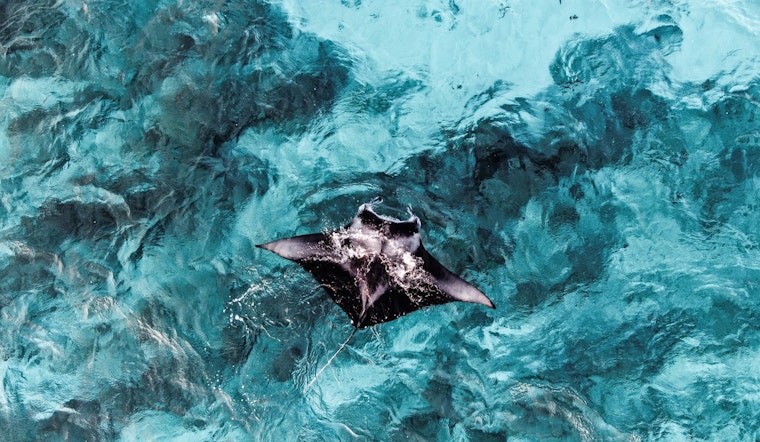
A St. Petersburg lawmaker is trying to slam the door on Florida’s tiny but controversial trade in federally protected sea life after a viral video showed a giant manta ray hauled out of the Gulf off Panama City Beach, then shipped overseas. The legislative push arrives just as state wildlife officials are moving to tighten the Special Activity Licenses that let collectors take threatened species alive for display.
The video, shot near Shell Island by Water Planet operator Denis Richard, shows crew members struggling to bring the manta onto a boat and into a deck pool while people nearby can be heard protesting. According to Local 10, the capture was carried out under a state permit held by a Florida aquarium supplier that planned to send the animal to SeaWorld Abu Dhabi.
Lawmakers file the MANTA Protection Act
State Sen. Ileana García and St. Petersburg Rep. Lindsay Cross have filed companion bills dubbed the Marine and Aquatic Native Threatened Animal (MANTA) Protection Act, which would ban taking and transporting endangered or threatened marine animals from Florida waters for education or exhibition. The House version, HB 1171, was filed in January and is now parked in the Natural Resources & Disasters Subcommittee. In a press statement, Florida Senate materials quote Cross saying the viral manta clip pulled back the curtain on a dangerous practice and that these animals should remain in their natural habitat. The bill text is posted on the Florida Legislature website, where HB 1171 is listed as the House vehicle for the proposal.
FWC proposes tighter SAL rules
At its February meeting, the Florida Fish and Wildlife Conservation Commission (FWC) unveiled Phase III changes to the Marine Special Activity License (SAL) program that would further rein in Education/Exhibition SALs for species listed as threatened under the federal Endangered Species Act. FWC staff circulated a draft Marine Prohibited Species Policy that would cap giant manta ray collections at “one (1) individual every two years,” language spelled out in the official policy document. That same FWC policy states that staff will return to the Commission in May for a final hearing.
Why it matters
Federal scientists note that Florida is the only state that still allows giant mantas to be harvested for exhibition, and a recovery-status review from NOAA reports that FWC approved 17 exhibition SALs between 2019 and 2022. The same review underscores how few aquariums worldwide keep manta rays and details why conservation advocates argue that pulling long-lived, migratory animals from the wild conflicts with recovery goals. The Animal Legal Defense Fund and other groups have lined up behind the MANTA bill, framing it as a way to shut a permitting loophole that currently allows protected species to be exported for display. Animal Legal Defense Fund
If HB 1171 is signed into law, it would create a clear statutory ban on collecting or transporting endangered or threatened marine animals for exhibition and attach new penalties for violators. The filed bill text lists an effective date of July 1, 2026. For now, the filed Florida Senate language and the FWC’s May rulemaking calendar are the key places to watch as lawmakers and regulators try to square permitting rules with conservation science and an increasingly vocal public backlash.



