

























































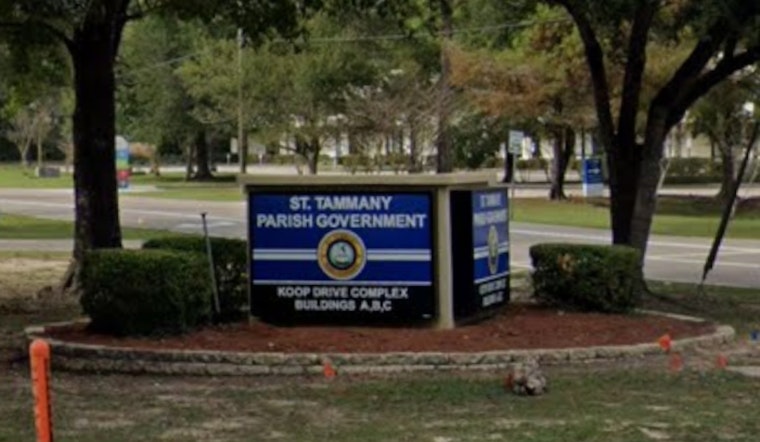
The long-simmering fight over who controls St. Tammany’s mosquito money came to a head Friday night, when the St. Tammany Parish Council voted 13-1 to ask the Louisiana Legislature to wipe a decades-old special law off the books. The measure, Council Series No. C-7266, urges lawmakers to repeal La. R.S. 33:7728, a 1985 statute that gives the St. Tammany Mosquito Abatement District the final say over its own budget. The council’s resolution was formally adopted Friday, according to the St. Tammany Parish Council records, with one council member casting the lone dissenting vote.
Why Council Pushed for Oversight
The vote capped months of public hearings and a government-efficiency review that put the mosquito district’s operations under a microscope. The parish’s efficiency committee and a presentation tied to the district attorney’s Tax Reduction and Stabilization workgroup flagged the agency’s roughly 9.6 to 10 million dollar budget and several large capital projects for scrutiny.
Among the standout items were a helicopter purchase of about 4 million dollars and a multimillion-dollar laboratory renovation, projects cited as evidence that the district’s spending has outpaced similar agencies in other parishes, according to Citizen Portal. Committee materials also floated the idea of looking at structural changes to the district as part of a broader review of parish services.
Board Defends Operations and Drops Litigation
The mosquito district has not taken the criticism lying down. Board leaders have argued that the big-ticket investments pay for themselves in public safety, saying the equipment and facilities are needed for rapid testing, targeted aerial spraying and emergency readiness, and that their approach is in line with industry standards.
In December, the board announced it had dropped a lawsuit it had filed against the council over the inquiry, and said it was tightening its belt in response to the concerns. The district reported that it had adopted a smaller 2026 budget, approved a one-time millage reduction and identified assets to sell as part of a cost-cutting package. In a statement posted on its website, the St. Tammany Mosquito Abatement District said the moves were intended to protect core services while improving efficiency.
What Happens Next for the Millage and the Law
While the legal fight shifts to Baton Rouge, the council still has to decide what local taxpayers will be asked to cover. In April, council members are scheduled to vote on whether to place an estimated 2.95-mill property tax for mosquito abatement on the June ballot, a decision that could effectively set the district’s near-term funding levels. NOLA reported on the proposed timing and size of that millage.
The parish’s resolution also asks its state legislative delegation to seek repeal of the 1985 special law during the 2026 regular session. The delegation includes state Rep. Stephanie Berault, a Slidell Republican who represents part of St. Tammany in the House, according to legislative records.
Legal Implications
On paper, the shift the council is asking for is fairly simple. The resolution says that if La. R.S. 33:7728 is repealed, the Mosquito Abatement District would fall back under the general statutes. That would give the parish the authority to approve the district’s budget each year under LA R.S. 33:1415(B), so final sign-off would rest with elected parish officials instead of the district’s own board. The council outlines that argument in the text of its adopted resolution, available in parish records.
Supporters of the change frame it as a parity issue, saying the mosquito district should be treated like other parish districts that must have their budgets cleared by the council, especially when tax dollars are tight. Public health experts and district staff counter that chipping away at the agency’s autonomy could slow response times when mosquito-borne diseases emerge and inject politics into technical decisions about surveillance and spraying.
The next few months will test which argument resonates more. The efficiency committee presentation and ensuing local coverage highlight a familiar tradeoff for voters and lawmakers: how to tighten oversight without undercutting a public health program most people only notice when it fails. Reporting and committee materials are available from Citizen Portal and WDSU, and they lay out the competing visions that will shape the coming debate over both the millage and the special law.





