

























































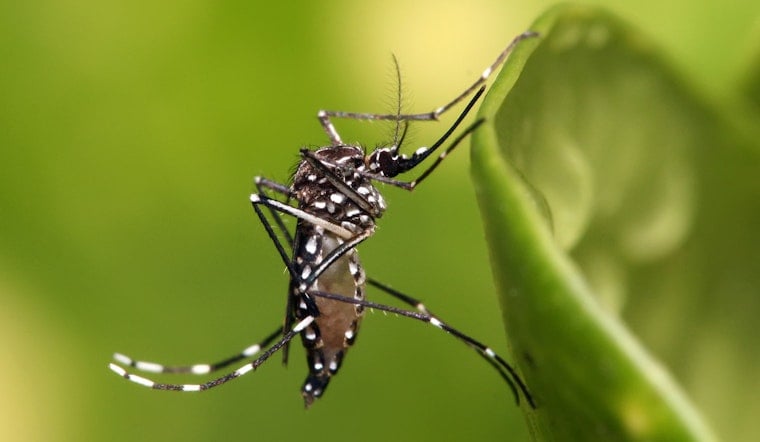
Helicopters and spray trucks are gearing up to blanket parts of New Orleans after mosquito samples on the East Bank tested positive for West Nile virus, city officials announced Thursday. The virus was picked up through routine trapping and testing of adult mosquitoes, a sign it is circulating among local birds and mosquitoes and nudging up the odds of human exposure. Crews are timing the treatments for overnight hours, when the insects are most active and least likely to be missed.
According to NOLA.com, the mosquito board has scheduled aerial spraying for Friday, June 5, targeting Hollygrove, Uptown, Audubon, Freret, Milan, Touro, Broadmoor, Central City, the Garden District and the Paris Levee area. The report notes that the goal is to quickly knock down adult Culex mosquito populations while surveillance continues in the background.
Where Officials Plan To Spray
The City of New Orleans Mosquito, Termite and Rodent Control Board says treatments will roll out by helicopter and truck in the evening, weather permitting, aiming squarely at adult mosquitoes during their peak activity after dark. In a press release via the City of New Orleans, officials describe the operation as targeted abatement backed up by ongoing larval control and trapping, rather than a one-and-done sweep.
The Mosquito In The Crosshairs
Crews are zeroing in on the southern house mosquito, Culex quinquefasciatus, which local experts identify as the primary vector for West Nile virus in the area. This species really comes alive after dusk, which is why the city is sticking to evening spray windows instead of daytime passes.
Why Health Officials Care
The Louisiana Department of Health points out that West Nile virus is now considered endemic across Louisiana, and positive mosquito pools flag active local transmission that public health teams track closely. The Louisiana Department of Health notes that most infections cause no symptoms, but older adults and people with weakened immune systems face a higher chance of developing severe illness.
What National Health Agencies Say
The Centers for Disease Control and Prevention reports that about 80% of people infected with West Nile virus never feel sick at all. Roughly one in five develop a fever or flu-like symptoms, and a small percentage can develop serious neuroinvasive disease. The CDC recommends pairing community mosquito control with personal protection steps, including EPA-registered repellents, since there is no human vaccine.
How Residents Can Protect Themselves
Officials are urging residents to use repellents that contain DEET, picaridin, IR3535 or oil of lemon eucalyptus, to repair or install window and door screens and to regularly empty standing water where mosquitoes lay eggs. The city is also asking people to report mosquito trouble spots via 311, or to contact the mosquito board directly at [email protected] or (504) 658-2400 for larger or recurring issues. For maps and current updates, residents can visit the City of New Orleans mosquito page.
What To Expect When Spraying Starts
Neighbors in the targeted zones should be ready for low-flying helicopters after dusk and coordinated truck routes moving through the streets. Each treatment window typically lasts a few hours and can be delayed or rescheduled if weather does not cooperate. Pest Control Technology and city notices add that people with respiratory conditions may prefer to stay indoors during spraying and to secure items left outside that they do not want exposed to the product.
The mosquito board says weekly trapping and testing will continue and that the public will be updated if human cases are identified. For now, officials stress that personal prevention and community reporting work hand in hand with the citywide spray effort to keep West Nile virus risk in check while crews focus on reducing adult mosquito populations.



