

























































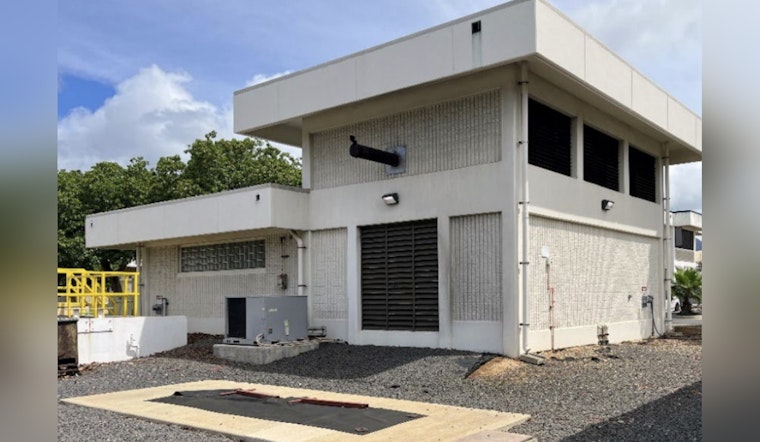
A long planned Central Maui wastewater reclamation plant has crossed a major permitting hurdle, with the state filing the final environmental impact statement for a 14.9 acre facility in Waikapū. County planners say the project is designed to turn treated effluent into high quality recycled water for irrigation and to open up critical infrastructure for the planned Waikapū Country Town and other central Maui growth.
Final EIS posted with state planning office
As listed in The Environmental Notice, the state Office of Planning and Sustainable Development now shows the Central Maui Wastewater Reclamation Facility as a Final EIS item, with Volume I and II on file. The notice describes an approximately 14.9 acre site on former agricultural land between Honoapiʻilani and Kūihelani highways and outlines related offsite work, including a pump station near Kehalani and pipelines that would tie the plant into nearby developments.
County budget move targets the project
County leaders are already starting to line up local money behind the build. The Budget Director has transmitted a proposed Bill 30 that would shift $3.5 million in general fund carryover into the Central Maui regional WWRF. That appropriation appears in the Maui County Legistar file for BFED 47, which details the $3.5 million transfer along with conditional language tied to the project’s capital account.
Planners expect nearly all treated water to be reused
The project is planned to produce R 1 recycled water that would be connected to a distribution pipeline the Waikapū Country Town development is expected to purchase for irrigation of landscaping, parks, school yards and agricultural fields, according to reporting by Maui Now. Project materials and planners say local irrigation demand could use essentially all of the plant’s output, roughly enough to serve more than 1,200 acres across central Maui.
What R 1 recycled water means
R 1 is the state’s highest recycled water classification. It means treated effluent has been oxidized, filtered and disinfected to meet Hawaii Department of Health standards for unrestricted irrigation in specified uses. The Hawaii Department of Health’s rules and reuse guidelines spell out the treatment and monitoring benchmarks that systems producing R 1 water must hit before that water can be used on food crops, turf and public landscapes.
Timeline and the next gates
County officials expect to put the project out to bid in mid 2027 and estimate about two years of construction, with the plant projected to come online in 2029 or early 2030, according to statements cited in project coverage by Maui Now. The same reporting notes a planning level construction cost of about $130.6 million in 2025 dollars and reiterates that county and state budget moves, including the $3.5 million transfer, are among the immediate steps needed to keep the project moving.
What to watch
With the Final EIS filed, the next formal steps include acceptance by the accepting authority, followed by permitting and bid packaging. How public testimony and council debates shape upcoming funding rounds will influence the project’s pace. Residents and local growers who rely on irrigation are likely to track the approvals and pipeline routing closely as the county shifts from design into procurement.




