

























































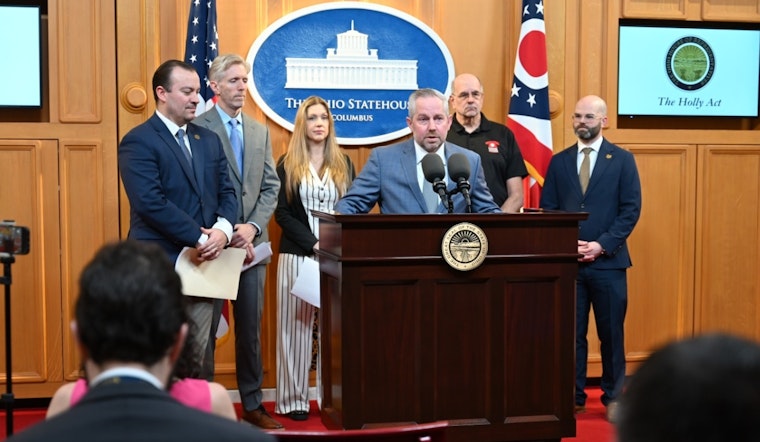
Ohio Republicans are moving to tighten the rules on who gets out of jail before trial, rolling out the so-called "Holly Act" at the Statehouse this week. The proposal, led by Reps. D.J. Swearingen and Jeff LaRe, targets charitable bail funds and defendants accused of violent crimes. It is named for a Cincinnati woman badly injured in a downtown brawl last summer that was replayed across social media. Backers are pitching the plan as a public safety fix to keep repeat violent offenders off the streets, while critics warn it could box in judges and chip away at pretrial protections.
The bill would block nonprofit groups from posting bail for defendants charged with "serious and violent" crimes and would cap charitable contributions toward any single bond at $5,000, according to the Ohio House Republican newsroom. Judges would be required to use risk-assessment tools when setting bail for people accused of violent offenses. For defendants who have failed to appear in court or missed two or more summonses within five years, the minimum bond payment would jump from 10% to 25%, and those repeat no-shows could no longer be released on personal recognizance. Courts would also have to verify that a surety actually has the assets to cover a bond before signing off on it.
What the bill would change
The measure would give the Ohio attorney general power to appeal a judge’s bail decision in "serious" cases and to ask that a defendant be held until trial, according to the Statehouse News Bureau. If a judge chooses not to deny bail after such a challenge, the judge would have to spell out the reasoning on the record. The proposal also calls for annual reporting from charitable bail organizations so state officials and the public can see who is posting bonds and for which charges.
Named for a Cincinnati victim
The bill’s namesake, identified publicly as "Holly," says she was knocked unconscious during a downtown Cincinnati fight last July that was captured on video and widely shared. Sponsors of the legislation noted that one of the men later charged in connection with that incident had been released on bond just weeks before. Holly appeared at the Statehouse rollout, and local coverage reported that the viral footage and her injuries helped spur lawmakers to act. Prosecutors’ court records showing that a suspect had previously bonded out were cited by supporters as proof that the current system has gaps, as reported by WCPO.
Supporters point to other states
At the Statehouse event, advocates including Americans for Public Safety and a victims-services official from Houston argued that similar policy changes in Texas lined up with drops in certain violent-crime victimizations. That comparison was used to sell the Ohio plan’s potential impact, according to FOX19. Sponsors said they had looked at a broader crackdown on charitable bail but ultimately chose a narrower approach built around specific "guardrails" and transparency rules.
What happens next
The Ohio Holly Act has been announced but does not yet have a bill number and has not been assigned to a committee. Sponsors say they expect testimony and possible revisions as the proposal moves through the process, according to the lawmakers’ press release. If it is formally introduced, the measure will go through hearings where judges, prosecutors, civil-liberties groups and charitable bail funds can make their cases before any vote is taken. The Ohio House Republican newsroom notes that the bill is still awaiting a committee assignment.
Legal questions
Legal observers quoted by local outlets say the plan raises questions about judicial independence and whether giving the attorney general authority to appeal bail decisions would undercut the separation of powers that lets judges tailor pretrial conditions to individual cases. A former judge interviewed in that coverage cautioned against a one-size-fits-all bond structure and argued that judges already factor in a range of considerations when setting bail. Those concerns were laid out in reporting by WCPO.



