

























































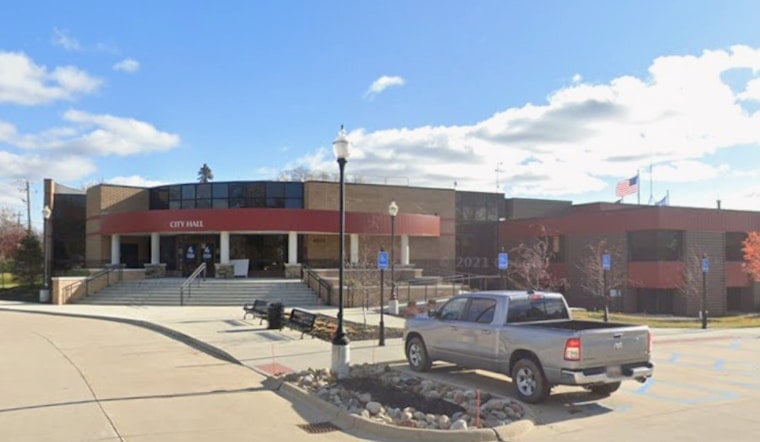
The long-planned conversion of Lakeside from a traditional mall into a downtown-style district is heading into a pivotal stretch, as Sterling Heights has officially circled May 5 for a public hearing on a key tax plan that could help pay for demolition and major infrastructure work.
Council sets May 5 hearing
At its March 3 meeting, the City Council voted to schedule a May 5 public hearing on a proposed brownfield tax plan, according to materials in the agenda packet posted by Sterling Heights. The agenda lists the hearing as the next formal procedural step before any decision on tax capture or required state-level approvals.
What the plan would do
The hearing will focus on a "transformational" brownfield plan that would pair local tax increment financing with potential state-level tax capture, a structure that generally needs sign-off from the Michigan Strategic Fund. Under FindLaw's summary of state law, transformational brownfield plans can tap multiple tax streams to reimburse eligible cleanup and infrastructure costs, and state participation has been the deciding factor in similar large projects, as Crain's Detroit Business has reported.
Project numbers and phase one
Developer materials describe the Lakeside City Center master plan as covering about 104 acres with more than 2,300 multi-family units, roughly 162,000 square feet of new retail and around 30 acres of public space, according to the project information posted on Lakeside City Center. City records show the council signed off on a master development framework last winter, and the brownfield package now on deck is expected to cover phase one at roughly 1,300 residential units, about 150,000 square feet of retail and about 180 senior units, with an estimated phase one cost near $621 million, according to reporting by The Detroit News.
Why the tax plan matters
Supporters argue that tax capture would allow the public-private partnership to handle demolition, water and sewer upgrades and other expensive up-front infrastructure work so building can move ahead in phases without stalling over financing gaps. Developer materials and recent TV coverage note that large mall conversions around the country often lean on tools like this to close the cost gap that can make big mixed-use projects tough to finance in the private market alone, a point highlighted in coverage by WXYZ.
What happens next
The May 5 hearing will give residents a chance to weigh in and will set the stage for a council vote on whether to send a brownfield plan to the state for review, according to the city's meeting documents. If the council advances the plan and the Michigan Strategic Fund ultimately signs off, the developers could begin capturing approved tax streams to reimburse eligible costs, then move into the more granular process of parcel-level site plans and permits.
Community reaction and legal snags
Council supporters argued at the March meeting that the incentives are necessary to avoid leaving behind another empty mall and a long-term drag on city finances. Councilman Michael Radtke told reporters the project will not get done without the brownfield plan, according to local coverage. At the same time, nearby property owners and some merchants have raised concerns about transparency and timing, and the owner of the closed Sears building has gone to court in an effort to block demolition, as reported by Newsweek.
How to follow the process
Residents can review meeting packets and project renderings on the Lakeside project page maintained by the City of Sterling Heights. Additional project details and sign-up information are available on the developer's Lakeside City Center website ahead of the May 5 hearing.





