

























































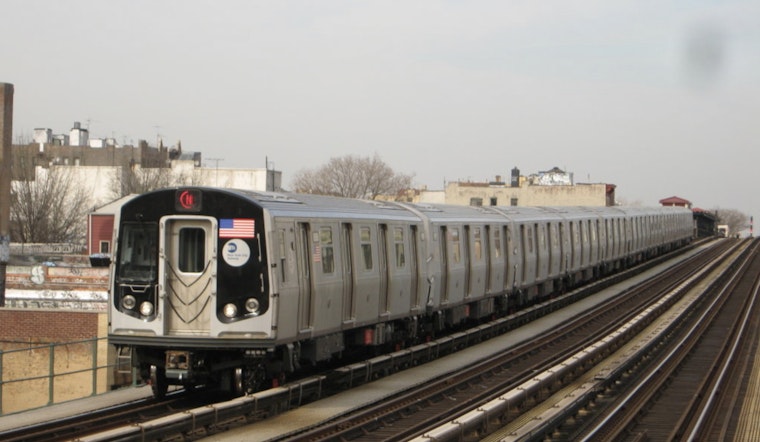
Sunset Park is about to become the MTA’s favorite showroom. State and MTA officials are set to roll out a major railcar purchase at the Metropolitan Transportation Authority’s new Railcar Acceptance and Testing Facility in Brooklyn on Thursday, March 19, 2026. The event, scheduled for 11 a.m., is expected to spell out how many cars are being ordered and where they will be sent across the subway and commuter systems. If the plan is confirmed, the purchase would speed up the retirement of aging trains and put newer cars into service faster for Brooklyn riders.
PIX11 first spotlighted the planned announcement and nailed down the time and place. As reported by PIX11, reporters were told MTA officials would use the Sunset Park yard as the backdrop to reveal the order and take questions on how the new trains will be deployed. The outlet also noted that several key details, including which lines will see the new cars first and how quickly they will cycle through the facility, were still unclear heading into the event.
What the Sunset Park yard does
The railcar acceptance and testing facility sits near the South Brooklyn Marine Terminal on South Brooklyn Railway property along Third Avenue between 38th and 39th Streets. According to Mass Transit, the enclosed complex includes in-house test tracks, inspection pits and heavy equipment that allow the MTA to receive new cars by truck, rail or barge and commission them directly on site. That setup is intended to cut the time between delivery and revenue service by pulling inspections and testing under one roof.
How the buy fits into a bigger plan
The MTA’s 2025-29 Capital Plan calls for a large-scale rolling-stock overhaul that includes roughly 1,500 new subway cars to replace older fleets and modernize service. The authority has already been exercising options and approving orders under that program, spanning both subway and commuter rail purchases. In a separate procurement, Alstom won a contract to supply hundreds of M-9A commuter railcars for the LIRR and Metro-North, underscoring that the agency’s recent orders reach across multiple rail systems.
Why officials say it matters
MTA leaders argue the new yard and fresh orders will boost reliability because new cars tend to fail far less often than the decades-old models they replace. “Now we’re ready to start processing the 1,500-plus rail cars included in the Capital Plan, no matter how they’re delivered - by land or by water,” MTA Chair and CEO Janno Lieber said in remarks quoted by Mass Transit. Agency officials say on-site commissioning cuts down on handoffs and helps trains enter service sooner, which they argue should mean fewer breakdowns and fewer delays for riders.
Questions left to answer
Even with the announcement, several big questions were expected to hang over the pre-event briefings: final car counts, manufacturer timelines and which subway or commuter lines get priority. PIX11 reported that those missing details were likely to drive reporters’ questions at the 11 a.m. event. Riders and local transit advocates are watching to see whether this order speeds up replacements on Brooklyn lines that still run older equipment.
What happens next
Large railcar purchases typically need sign-off from the MTA board or finance committee and have to move through formal procurement steps before contracts are locked in and delivery schedules are public. The MTA posts solicitations and procurement notices on its procurement pages for vendors and the public to review. Officials said they would release the full terms and rollout timetable at the press event; we will update this story with those specifics and any immediate deployment plans the agency announces.





