

























































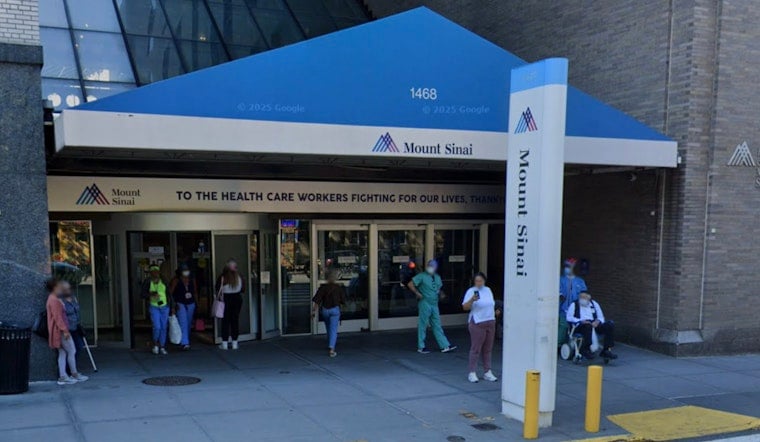
After a bruising 2024, Mount Sinai Health System has finally stopped the financial bleeding, closing out 2025 roughly at break even. The New York giant reported a slim operating surplus and a much larger net income gain, helped by rising pharmacy sales and cost moves that included shutting down a longtime hospital. Leaders are presenting the numbers as a fragile but welcome stabilization after a punishing run for city hospitals.
According to Crain's New York Business, Mount Sinai reversed its prior losses and finished 2025 at about break even following deep deficits the year before. The outlet characterized the shift as a narrow recovery for one of New York's largest health systems, not a full return to easy street.
Numbers behind the turnaround
As reported by Becker's Hospital Review, citing the system's April 27 financial report, Mount Sinai logged about $36.6 million in operating income in 2025, translating to an operating margin of roughly 0.3%. That is a sharp swing from an operating loss near $265.4 million in 2024. The report lists total operating revenue of about $12.8 billion, roughly 6% growth in patient-service revenue, pharmacy sales jumping about 28% to $1.1 billion, total operating expenses close to $12.7 billion, net income around $259.8 million and long-term debt easing to about $3.4 billion for the year.
Beth Israel closure and fallout
One of the most controversial pieces of Mount Sinai's cost cutting was the shutdown of its Beth Israel campus, which closed on April 9, 2025 after a long legal fight and vocal community pushback. The closure and its aftermath drew local scrutiny when the Beth Israel hospital closed, with coverage highlighting neighborhood concerns about what the loss would mean for access to care.
What to watch next
Mount Sinai's near break-even result does not wipe away its other pressures, including tense negotiations with insurers that could shape future margins. Healthcare Dive reported that Mount Sinai and Anthem/Elevance failed to reach a new contract earlier this year, a dispute that left parts of the health system out of network and could complicate patient access and billing through 2026.
For New Yorkers, the numbers send a mixed signal. On paper, Mount Sinai has largely steadied its finances, but its outlook still hinges on payer deals, pharmacy margins and broader policy shifts. Hospital executives, unions and watchdog groups will be tracking closely to see whether this tentative rebound turns into durable financial health or just a brief pause between storms.





