

























































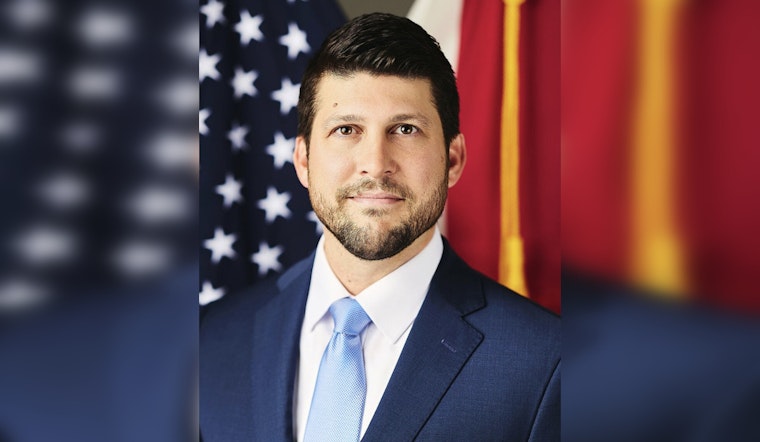
Florida Attorney General James Uthmeier has put Tampa Mayor Jane Castor on the clock, giving her until March 31 to roll back what he calls “sanctuary” policies inside the Tampa Police Department or risk civil penalties that could include her removal from office. Uthmeier says TPD has adopted new limits on working with federal immigration authorities and insists those measures “must be reversed immediately.”
Uthmeier laid out the warning in a post on X. According to Tampa Bay 28, he set a March 31 deadline and wrote that “failure to do so will risk the enforcement of all applicable civil penalties, including removal from office by the Governor.” Tampa Bay 28 reports the station contacted Mayor Castor’s office but had not received a statement as of Wednesday evening.
What the law says
At the center of the standoff is Florida’s Chapter 908, a state law that bans “sanctuary policies” and spells out how the Attorney General and governor can go after local officials they believe are not cooperating with federal immigration enforcement. The statute defines a “sanctuary policy” as any rule that gets in the way of communication or cooperation with federal immigration agencies, language state leaders routinely cite when pressing cities for compliance, according to the Florida Senate.
State pressure, local pushback
Uthmeier’s move in Tampa is part of a broader pressure campaign playing out across Florida. He and other state officials have warned Orlando and additional jurisdictions about policies they say obstruct immigration enforcement, while law-enforcement leaders have urged local agencies to quickly sign up for ICE’s 287(g) program, which allows certain local officers to perform some federal immigration functions.
Reporting by WDBO and Creative Loafing Tampa details instances where local officials shifted course only after state threats, including warnings about possible removals. At the same time, several cities such as South Miami and Key West have pushed back in court filings and public meetings, asking whether municipalities are actually required to sign 287(g) agreements, according to States Newsroom.
What Tampa officials say
So far, Tampa City Hall is staying quiet in public. Tampa Bay 28 reports the station asked Mayor Castor’s office for comment on Uthmeier’s X post and received no response by Wednesday night. As of this writing, the mayor’s office has not issued a public statement addressing the ultimatum.
Legal questions ahead
If Uthmeier decides to move from threat to action under Chapter 908, his office could ask a court to order compliance, and the governor could potentially seek to suspend or remove municipal officials. Any such move would almost certainly spark immediate constitutional challenges.
Legal advocates argue that the statute is murky on whether cities themselves, as opposed to county detention operators, must enter 287(g) agreements, a gray area that could drag the fight into lengthy litigation, as reported by States Newsroom. Municipal attorneys contend that any effort to oust an elected mayor would be contested aggressively and could take months or even years to wind its way through the courts.
For now, Tampa is the latest flashpoint in Florida’s ongoing tug-of-war over immigration enforcement and local control. All eyes at City Hall and across the city will be on March 31 to see whether Castor reverses course or the state moves ahead with Chapter 908 enforcement.



.jpg)