

























































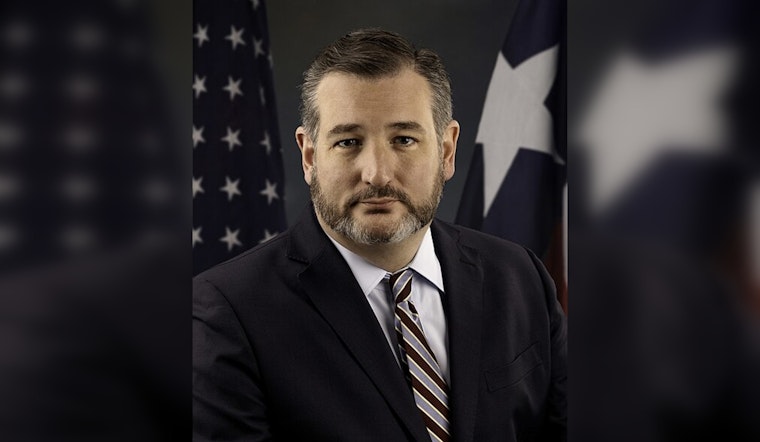
Sen. Ted Cruz is launching a high stakes push in Congress to scale back the legal protections that keep major tech platforms largely shielded from lawsuits, arguing that current rules let harmful content thrive and leave children exposed. As the Republican chair of the Senate Commerce Committee, he has used this year’s hearings to press colleagues on whether Section 230 and related legal tools still serve the public interest or have outlived their original purpose, as per Houston Chronicle.
According to the Houston Chronicle, Cruz has spotlighted parents who say their teenage children died by suicide after exposure to certain social media apps, and he has warned that "Congress must consider every constitutional tool it has to protect Americans from harm." The Chronicle also reported that Cruz has not yet laid out a detailed plan for rewriting Section 230, instead framing his effort as part of a broader move to hold companies such as Alphabet and Meta accountable.
The Senate Commerce Committee has already staged multiple hearings on the issue, from a mid January session on youth screen time to a March hearing titled "Liability or Deniability? Platform Power as Section 230 Turns 30," which brought together legal experts and victim advocates to argue over the statute’s future, per the Senate Commerce Committee. Witnesses included Stanford’s Daphne Keller and Matthew Bergman of the Social Media Victims Law Center, whose testimony put the human costs of online harms front and center.
White House Blueprint Enters The Debate
As reported by AP News, the White House released a legislative blueprint last Friday that leans heavily on child safety and urges federal rules that would head off a patchwork of state artificial intelligence laws. The framework calls for federal action that would protect children, respect intellectual property and, in some cases, preempt state regulations, a posture that could determine whether Congress opts for narrow tweaks to platform liability or a more sweeping set of AI policy reforms.
Bipartisan Steps Already On The Books
Cruz’s record shows he can still pull in bipartisan support on tightly focused issues. He co sponsored the TAKE IT DOWN Act with Sen. Amy Klobuchar, a law that criminalizes the non consensual publication of intimate images, including AI generated deepfakes, and requires platforms to remove them quickly, according to Sen. Klobuchar's office. Advocates say that win shows Congress is capable of targeting specific online harms even as the larger and messier Section 230 fight heats up.
Political Hurdles And Legal Risks
Industry groups counter that Section 230 is a "cornerstone of the modern internet" and warn that gutting liability protections could chill speech and innovation, a concern voiced by TechNet’s Mike Ward in coverage by the Houston Chronicle. At the same time, committee materials and legal scholars at the hearings have flagged constitutional and First Amendment problems that could make any rewrite legally risky and likely to trigger long, grinding court battles, per the Senate Commerce Committee.
Whichever route Cruz ends up pursuing, altering Section 230 or carving out new liabilities for platforms is expected to be both politically contentious and legally complex, and the White House’s recent AI framework has only raised the stakes, according to reporting from AP News. Months of hearings, sharp floor fight messaging and likely court challenges are poised to follow before any final blueprint for platform liability emerges from Washington.



.jpg)