

























































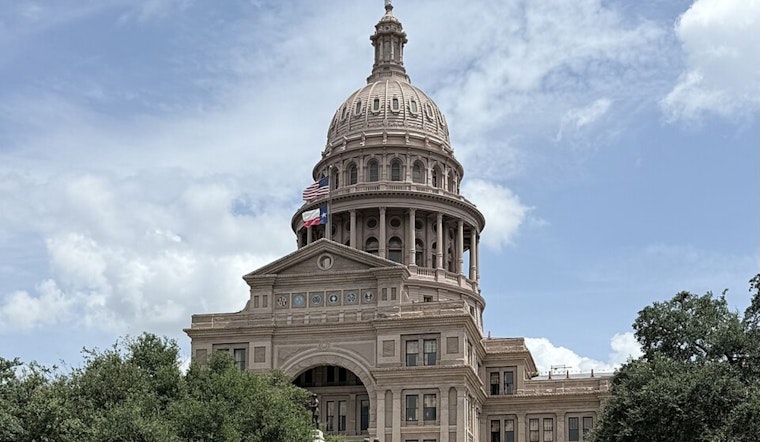
The Texas Liberty Compact, a 10-point policy blueprint released yesterday, calls for sweeping structural changes, including a path to phase out school property taxes for homeowners. The plan casts those changes as a return to local accountability and takes aim at taxpayer-funded lobbying, corporate subsidies and what it describes as unchecked growth in local spending. Backers rolled it out on Texas Independence Day to load the compact with symbolism as lawmakers brace for another legislative session.
Who Is Behind It And What They Are Saying
The compact was published by Texas Policy Research, a conservative policy group that says the document will guide its legislative evaluations and budget recommendations. In a press release, the group's president tied the project to Texas' founding rhetoric and said, "The Texas Revolution was about more than independence. It was about self-government," as reported by The Dallas Express. TPR describes the document as a long-term framework rather than a single bundle of bills that would hit the Capitol all at once.
Ten Planks, With Taxes And Limits Front And Center
The Texas Liberty Compact lays out ten structural reforms, ranging from ending taxpayer-funded lobbying and capping local spending to an explicit call to "Eliminate Property Taxes" by phasing out school maintenance-and-operations levies as a first step. The proposal links any durable property tax relief to strict limits on local debt, voter approval for new obligations and stronger legislative oversight of agency rulemaking. The full text is available from Texas Policy Research, which says the compact will serve as a guide as it scores and analyzes bills during the session.
How It Lines Up With The Governor's Agenda
The compact arrives squarely in the same policy neighborhood as Governor Greg Abbott's recent five-point property tax rollout, which also puts ending school property taxes at the center of its agenda. Abbott has urged voters and lawmakers to look at a constitutional amendment, tighter appraisal caps and limits on local spending while giving voters more power to trigger rollback elections. Those materials are detailed on Governor Greg Abbott's website.
The Bill Comes Due
The scale of a full abolition helps explain the political headwinds. A Legislative Budget Board fiscal note for a bill to eliminate ad valorem taxation estimated increased state aid of roughly $34.5 billion in fiscal year 2030 and about $41.1 billion by 2034. That analysis shows the state would have to replace large local revenue streams that currently pay for operations and debt service at the district level. Given those numbers, many lawmakers lean toward incremental relief that can be adjusted from one budget cycle to the next.
Analysts Warn The Math Is Dicey
Policy analysts caution that leaning on one-time surpluses to backfill school budgets would leave districts and local services exposed when the economy cools, and that replacement mechanisms could shift the load to more regressive sources such as sales taxes. The Texas Tribune has reported experts arguing that surplus-driven fixes are unstable and that appraisal caps and expanded exemptions are imperfect substitutes for broad structural change. That skepticism helps explain why some elected officials favor phased or targeted changes instead of an immediate statewide buyout.
Local Politics, Big Deals And Corporate Incentives
TPR's call to "End Corporate Welfare" lands amid a recent wave of large local incentive packages. Plano, for example, approved about $20 million in grants along with a lengthy property tax rebate to secure AT&T's planned campus at 5400 Legacy Drive, a reminder of the tradeoffs cities make to attract jobs. Critics argue that these deals can inflate local spending pressures and complicate property tax politics, while supporters counter that they spur development and employment. Coverage of the Plano package by The Dallas Morning News outlines the size of the agreement and the conditions that come with it.
What To Watch Next In Austin
Texas Policy Research says the compact will serve as a yardstick for its scorecards and floor reports as bills are filed this session. Expect sharp debates over whether spending caps, higher voter approval thresholds and appraisal predictability can be stitched together into a package that is both politically sellable and fiscally believable. Whatever route lawmakers take, the sheer budget math and the ever-present fight over local control will determine how much of the compact's wish list actually makes it into Texas law.



