

























































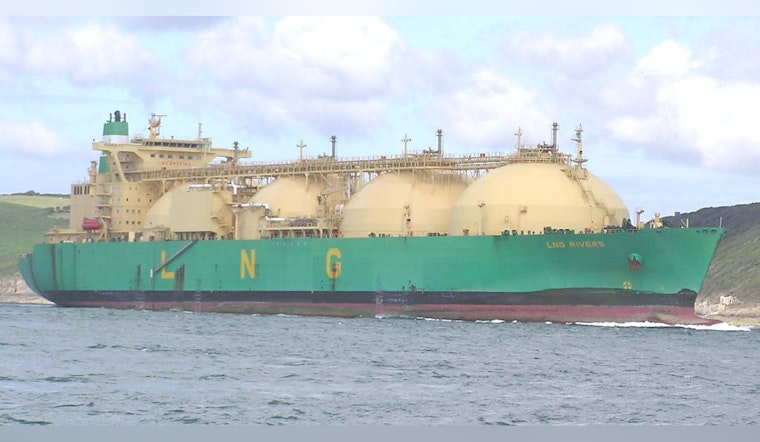
Japan’s energy heavyweight JERA has dropped a big idea on Hawaiʻi’s doorstep: a roughly 500‑megawatt liquefied natural gas–fired power plant for Oʻahu that the company says could be running by 2030. The concept pairs a floating storage and regasification unit offshore with new on‑island pipelines and a generation facility, and JERA has told state officials it expects to start chasing regulatory approvals in the coming months. Company filings and public statements say the project could cut the island’s generation costs by about 20 percent, though JERA has not yet put a public price tag on the build. The proposal follows a Strategic Partnering Agreement the governor signed with the company last October.
What JERA Is Putting On The Table
As reported by the Honolulu Star-Advertiser, JERA submitted plans this week for a roughly 500‑megawatt LNG‑fired station that would receive fuel from a floating storage and regasification unit offshore and move it ashore through dedicated pipelines. The company has told state officials it is targeting operations by 2030 and intends to begin applying for state and federal permits in the coming months. In its filing, JERA presents the project as fuel‑flexible infrastructure meant to support grid reliability while leaving room for lower‑carbon fuels in the future.
Where The Plant Would Sit In Oʻahu’s Power Mix
If it goes forward, the plant would add roughly 500 megawatts to Oʻahu’s firm generation and sit among the island’s biggest power producers, behind Kahe and ahead of several existing oil‑fired units. Hawaiian Electric’s power facts list Kahe at about 650 megawatts and Waiau at about 402 megawatts, so JERA’s project would represent a major new block of dispatchable capacity on the system. Supporters argue that extra capacity could ease rate pressure and provide backup when solar and wind fall short during peak demand or cloudy, low‑wind stretches.
The Governor’s Deal And The Bigger Timeline
The state has already signaled it is open to working more closely with the company. Governor Josh Green signed a Strategic Partnering Agreement with JERA during a visit to Tokyo on Oct. 6, 2025, creating a framework to collaborate on fuel diversity and Hawaiʻi’s energy transition. As outlined by the Hawai‘i State Energy Office, the agreement is intended to speed up planning for options beyond oil and investigate fuel‑flexible pathways. JERA has characterized the proposed LNG plant as one piece of a longer‑term effort to balance reliability, affordability and emissions reductions on the islands.
Environmental Pushback And Industry Spin
Environmental and community advocates quickly raised alarms that a large new LNG facility could lock Hawaiʻi into fossil‑fuel infrastructure for decades and work against the state’s 100 percent clean‑energy mandate. Earthjustice and local activists have argued that LNG does not line up with Hawaiʻi’s long‑term climate commitments. JERA, which describes itself as Japan’s largest power producer and has pledged net‑zero CO2 emissions for its operations by 2050, says the design is intentionally fuel‑flexible so the plant could transition to lower‑carbon fuels over time. Community groups, for now, remain unconvinced.
Regulatory Hurdles And What Comes Next
JERA’s submission is still preliminary, and the company has made clear that the project depends on approvals from the state Public Utilities Commission along with other state and federal agencies. According to the Honolulu Star-Advertiser, JERA expects to begin formal permit applications in the coming months and will need to navigate state permitting, environmental reviews and maritime approvals before any construction starts. That points to months, and likely years, of technical studies, public hearings and agency review before any ground is broken.
For now, the proposal has reopened a familiar argument in Hawaiʻi over how to juggle reliability, affordability and a legally binding goal of 100 percent renewable electricity by 2045. Residents can expect a steady stream of hearings, filings and community meetings in the months ahead as regulators and neighbors sift through the tradeoffs and consider what kind of energy future they want for Oʻahu.




