

























































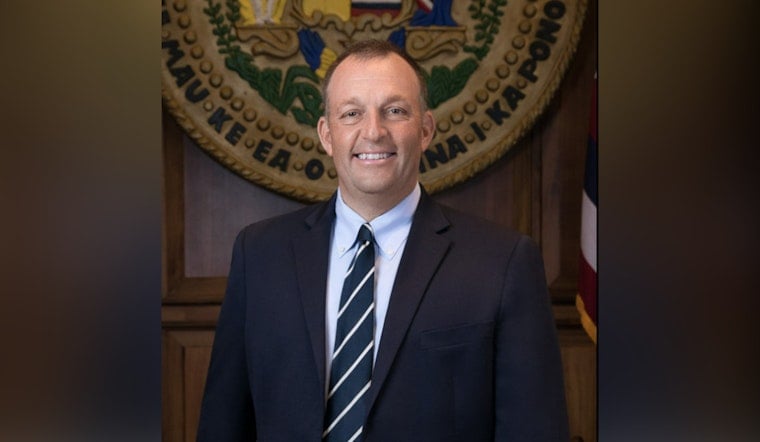
Hawaii Governor Josh Green is in talks with Tokyo’s Tokyu Group on a sweeping plan to rework land around Honolulu’s Skyline into denser, station‑centered neighborhoods while speeding up housing construction. The idea is to combine Japanese transit‑oriented development know‑how with modular homes and upgraded station amenities, turning underused stops into real neighborhood hubs. All of this is unfolding as the automated Skyline has yet to hit its projected ridership and the project’s price tag has climbed into the multibillion‑dollar range.
Tokyu’s pitch and who’s at the table
Tokyu laid out its vision in an 83‑slide presentation to the governor’s transit‑oriented development advisory committee. The proposal calls for high‑density “ensen” neighborhoods along the line, retail anchors around stations, and even stretches of extra parallel track so some trains could run express, according to Honolulu Civil Beat. The same reporting notes that the state is in discussions with modular‑housing builder Daiwa House, and that Hawaii’s construction unions have signaled conditional support for factory‑built units. Officials also emphasize that the memorandum of understanding under discussion would likely be advisory and nonbinding rather than a straightforward cash investment.
What Tokyu has done in Japan
Tokyu’s core playbook is to build rail lines and real estate together. The company traces its roots to 1922 and promotes rail‑anchored mixed‑use development as a way to generate steady foot traffic and dependable ridership, according to the company’s website. Its projects around Tokyo’s Shibuya area are often cited as examples of how station redevelopment can reshape commuting habits and local retail patterns.
Ridership, costs and the math
City data show Skyline’s weekday average in February 2026 was about 11,577 rides, according to a Department of Transportation Services ridership release. Extending the line and building the kind of station neighborhoods Tokyu envisions will not be cheap. The overall Skyline project already tops $10 billion, and the rail authority has approved design work for an extension to Ala Moana that is estimated to cost roughly $1.6 billion, as detailed in reporting on recent HART board actions. Those figures underline the scale of the challenge and the urgency that officials say they feel to find new partners and ideas.
Modular homes and local buy‑in
A big part of the pitch is speed. Factory‑built housing can roll out faster than traditional stick‑built projects. Daiwa House helped deliver 50 temporary modular homes for Kapalua Village after the Maui wildfires, according to Maui Now, and the company’s materials describe pilot projects of energy‑self‑sufficient modular homes in Japan. Proponents argue that combining modular units with more conventional development near Skyline stations could bring new housing online more quickly while creating the customer traffic the rail line needs.
What comes next: opportunities and pitfalls
There is potential outside capital on the table. Analysts have highlighted a large Japanese pledge to invest in U.S. infrastructure projects that officials in Washington and Tokyo are trying to channel toward high‑priority efforts, according to analysis by the St. Louis Fed. At the same time, Hawaii’s leaders are keenly aware of the state’s long and sensitive history with foreign investment and stress that any partnership would need clear local controls, job guarantees and community benefits. The real test will be whether an eventual MOU leads to concrete co‑development deals, locally led builders and actual permits that result in more housing and tangible station upgrades.
For riders and nearby residents, the Tokyu talks amount to a familiar promise: better stations, more housing close to transit and enough commercial activity to make Skyline useful well beyond rush hour. What comes next is worth watching closely, from the wording of any MOU to which parties are listed as co‑developers or investors, and whether the state and city can line up financing and local approvals in a way that keeps the benefits rooted in Oʻahu communities.





_1cropped).jpg)