

























































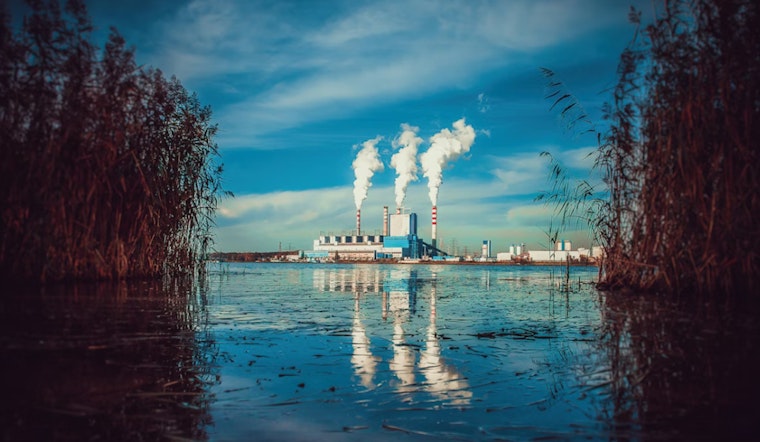
An internal watchdog review at the Environmental Protection Agency has flagged a troubling vulnerability in some of the nation's dirtiest corners. Roughly 100 of the most contaminated Superfund sites sit in areas prone to flooding, storm surge or catastrophic wildfire, a combination that could put millions of nearby residents in harm's way. The findings sharpen long running questions about whether decades old cleanups can stand up to stronger storms and rising seas.
Scope of the problem
According to The Associated Press, the EPA Office of Inspector General released a pair of reports that examined 157 federal Superfund sites that the agency has prioritized for cleanup. The review identified 49 coastal sites at risk from sea level rise or storm surge, 47 sites in low lying inland flood zones and 31 in areas with a high risk of wildfire. About 3 million Americans live within a mile of those priority locations and roughly 13 million live within three miles. The EPA said it is reviewing the Inspector General's findings and that the Superfund program "factors the impacts of extreme weather events and other hazards as a standard operating practice."
Five-year reviews often miss future weather risks
The Inspector General's analysis found that many of the required five year cleanup reviews, the checkups meant to confirm that remedies remain protective over time, did not meaningfully account for sea level rise, stronger storms or wildfires. That gap can leave containment systems and caps exposed when extreme weather hits. The watchdog urged the agency to tighten management controls, improve documentation and explicitly build forward looking hazard analyses into cleanup design and long term monitoring. The Inspector General's reports and an interactive map lay out the site by site findings, according to the Office of Inspector General.
Harvey showed how quickly containment can fail
To show how fast things can go sideways, the Inspector General's review points to Hurricane Harvey. When Harvey hit the Houston area, floodwaters carried dioxin contaminated material from the San Jacinto River Waste Pits into nearby streets and yards. That episode, along with earlier scrutiny of the site, helped spur the new Inspector General reviews and underscores the stakes for neighborhoods living in the shadow of priority cleanups, as documented by the Office of Inspector General.
What this means for local communities
For metro regions that host National Priorities List sites, the findings land on top of long standing local worries that containment based remedies can unravel once floodwaters rise or wildfire closes in. The review effectively backs up what residents have said for years, that cleanup plans need realistic contingency scenarios for extreme weather, not just best case engineering assumptions. Local reporting by Spectrum News explores how the Inspector General's conclusions are playing out for people who live near some of these high priority sites.
Next steps and oversight
The Inspector General recommended that EPA strengthen its oversight of five year reviews and make climate and hazard vulnerability assessments far more robust. Now the agency will have to show whether it is willing to update remedies and monitoring plans so they reflect the future risks that scientists and engineers already see coming. The new reports add to earlier analyses and are likely to fuel fresh congressional and community scrutiny of whether the Superfund program is truly built to withstand floods, storm surge and wildfire in the decades ahead.




