

























































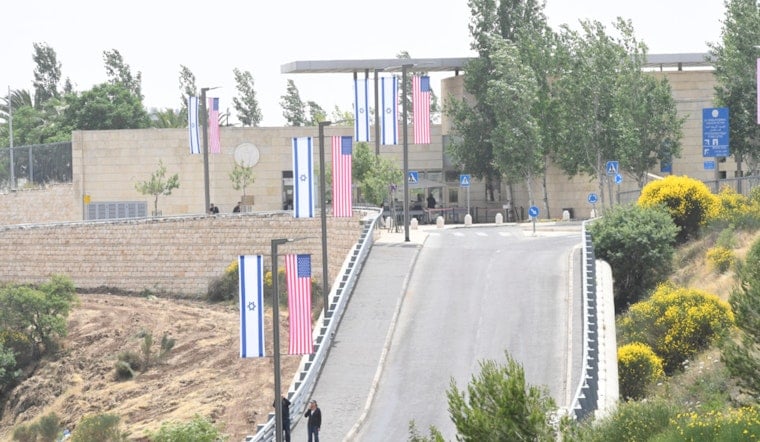
U.S. diplomats in Jerusalem have issued a blunt new security alert, telling Americans across the Middle East to dial up their caution as regional tensions stay high and risks for travelers grow. The notice, which reinforces existing travel warnings, landed just as a fragile ceasefire and ongoing diplomacy try to keep a widening conflict from boiling over.
According to the alert, the U.S. Department of State currently classifies Bahrain, Israel, the West Bank, Jordan, Kuwait, Oman, Qatar, Saudi Arabia and the United Arab Emirates as Level 3: “Reconsider Travel.” Iran, Iraq, Lebanon, Syria, Gaza and Yemen remain at Level 4: “Do Not Travel.” As reported by JNS and the U.S. State Department’s travel pages, officials stress that the security environment in these places can change fast.
What U.S. officials are telling Americans
The embassy’s message urges U.S. citizens to know where the nearest bomb shelter is, steer clear of demonstrations, and keep a close eye on local media. It also reminds travelers to enroll in the Smart Traveler Enrollment Program for real-time updates and alerts. The post went out on the U.S. Embassy Jerusalem account on June 4.
Diplomacy and the 60-day talks
The timing of the alert overlaps with reported efforts by U.S. mediators and Iranian negotiators to hammer out a memorandum of understanding that would extend the current ceasefire for 60 days and open the door to talks on Iran’s nuclear program. Final sign-off was described as still pending. As detailed by Al Jazeera, the negotiations have made on-and-off progress even as fighting has not fully stopped.
Where fighting has flared
Violence has spilled beyond Iran, with images and reports showing civil-defense crews clearing rubble in Tyre after Israeli strikes and an explosion in the al-Housh area earlier this month. Those scenes help explain why the embassy is warning about the risk of sudden escalation. AP coverage of the strikes and their aftermath in Lebanon and the Gulf highlights just how fragile the security picture remains.
What travelers should do
For Americans planning trips to the region, U.S. officials are advising a pause and a close read of the State Department’s online guidance. Travelers are urged to check the State Department's travel pages, talk to airlines about possible flight changes, and think seriously about postponing nonessential travel until conditions calm down. The State Department also encourages U.S. citizens overseas to enroll in STEP, follow instructions from local authorities, and track the latest updates on the State Department travel advisory pages.





.jpg)