

























































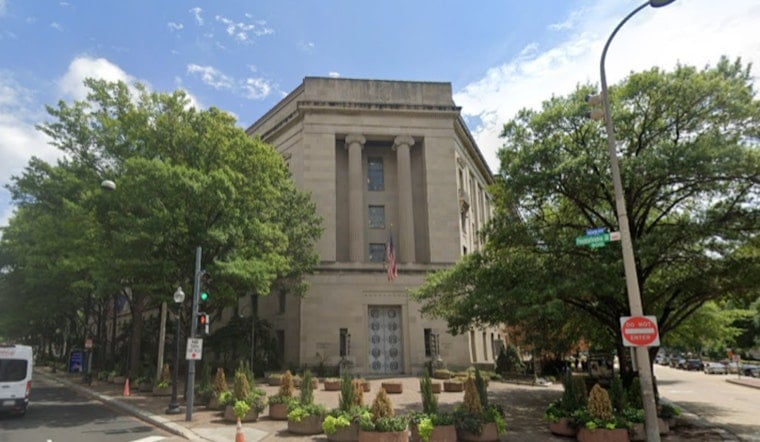
Alibaba Group has agreed to pay $600 million and enter a non-prosecution agreement with the U.S. Department of Justice after federal authorities said its marketplaces allowed tens of thousands of illegal pharmaceuticals and pill-making machines to reach American buyers. The company acknowledged it failed to stop roughly 80,000 unlawful transactions between January 2016 and December 2024.
According to the U.S. Department of Justice, Alibaba and its U.S.-based payment processor, AUS Merchant Services, struck a non-prosecution deal to resolve allegations that the platforms enabled imports of controlled substances, List I and II chemicals, and counterfeit pharmaceutical equipment. Federal investigators said law-enforcement agencies carried out more than 40 undercover buys of drugs and pill-pressing equipment as part of the probe, with the transactions carrying a combined gross merchandise value above $200 million.
In a statement reported by The Associated Press, Alibaba said it reached a “mutually satisfactory resolution” and pledged to impose “stricter compliance” on sales by third-party merchants on Alibaba.com and AliExpress. The AP also notes the case pulled in a small army of agencies, including the FDA, IRS Criminal Investigation, Homeland Security Investigations and the Postal Inspection Service.
Under the agreement, Alibaba will pay a $125 million criminal monetary penalty and forfeit $200 million, and AUS agreed to an $85 million penalty and to forfeit $190 million, together totaling $600 million. Both companies committed to beef up screening tools, private-messaging controls and payment-monitoring systems as part of their ongoing cooperation with prosecutors. The deal also acknowledged that Alibaba employees had raised internal concerns about weak compliance controls, according to the Justice Department.
Marketplace Responsibility And Enforcement
The settlement is widely being read as a warning shot that U.S. authorities are ready to hold massive global marketplaces financially and operationally responsible when their platforms become pipelines for dangerous or counterfeit drugs. Reporting suggests it represents the largest monetary recovery in the District of Rhode Island. As the Los Angeles Times notes, regulators want platforms to build in controls that stop illicit listings before they ever reach shoppers’ carts or the banking system.
Payment Processor Scrutiny
Authorities also zeroed in on AUS’s transaction-monitoring and anti-money-laundering systems, saying the processor sometimes failed to incorporate wire-transfer data and did not consistently block high-risk payments. AUS admitted those shortcomings during the inquiry, according to The Associated Press. Investigators said some merchants used Alibaba’s private messaging to divert buyers onto encrypted third-party platforms where the unlawful deals were finalized.
Prosecutors said they took Alibaba’s remedial steps and cooperation into account when agreeing to the non-prosecution deal, and emphasized that the resolution is not a criminal conviction but does come with ongoing compliance obligations and monitoring. For now, the agreement closes off a clear channel for dangerous counterfeits and unapproved drugs into the U.S., while ratcheting up the compliance expectations for marketplaces and payment firms that want to keep doing business with American consumers.



