

























































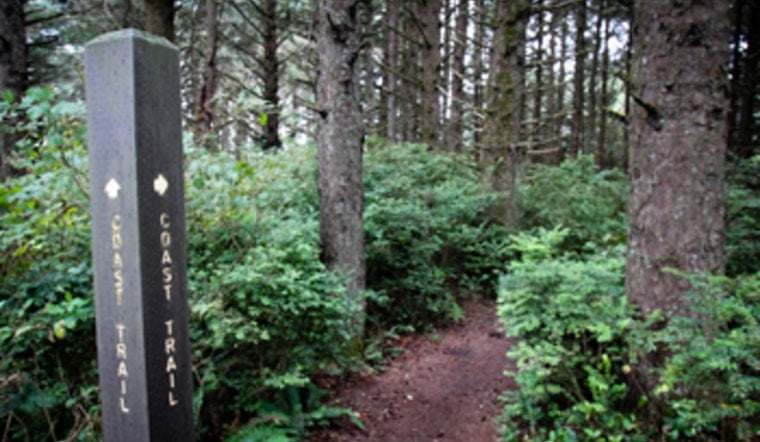
New federal figures say what most Oregonians already suspected: all that hiking, paddling and powder-chasing is not just a lifestyle, it is a serious line item in the state’s books. Outdoor recreation made up 2.7% of Oregon's GDP in 2024, translating into billions in spending and a surprisingly hefty role for tourism, gear makers and service jobs wrapped around trails, rivers and coastlines.
Fresh statistics from the U.S. Bureau of Economic Analysis put Oregon's outdoor-recreation share at 2.7% and the national sector at 2.4% of GDP, about $696.7 billion. BEA’s tables place Oregon squarely in the middle of the state rankings, and the agency reports that real outdoor‑recreation GDP grew 2.7% in 2024 after a 5.3% gain in 2023.
What Really Brings In The Cash
Nationally, boating and fishing are the heavy hitters, contributing roughly $38.4 billion, followed by RVing at $27.5 billion and hunting, shooting and trapping at $16.5 billion. Snow activities added about $7.6 billion, with the largest state contributions coming from Colorado, California and Utah, as reported by Axios.
Local Impact: Jobs, Towns And Manufacturing
State-level research shows outdoor recreation’s reach in Oregon goes far beyond trailheads and boat ramps. A 2022 update from the Oregon Parks and Recreation Department estimates $16 billion in outdoor‑recreation spending that supported about 192,000 full- and part‑time jobs. Those dollars show up in visitor services, local gear makers and small towns where parks and rivers act as the economic anchors.
Voices From Oregon Researchers
Researchers at Oregon State University say the outdoor economy is a mash-up of manufacturing, tourism and public services, and that keeping it healthy requires attention to both place-based access and workforce training. OSU experts told OPB that communities such as Bend and Hood River are feeling pressure to spread visitation across seasons and neighboring towns so the benefits are less concentrated in a few hot spots.
Policy Pressures: Access And Climate
Officials and advocates warn that longer wildfire seasons, crowding at popular sites and aging park infrastructure could blunt the sector’s benefits unless investments keep up. State and tourism leaders, along with groups like Travel Oregon, are pushing strategies to diversify visitation, support local gear makers and fund outdoor infrastructure in an effort to spread the economic gains more widely.
At a time when BEA data make the economic footprint of recreation plainly visible, local officials and businesses are weighing how to turn trails and rivers into reliable, year‑round engines for towns across Oregon. The message from the numbers is straightforward: the outdoors is more than scenery, it is a sector that demands planning, funding and protection.





