

























































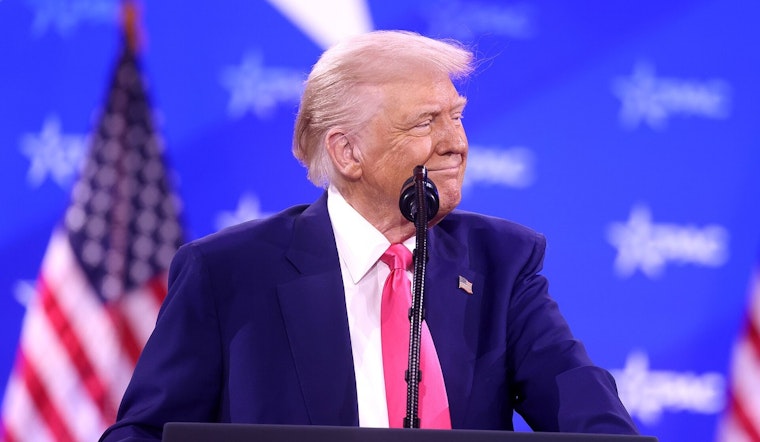
President Donald Trump on Monday amped up his public pressure campaign on the Federal Reserve, urging the central bank to hold a special meeting and slash interest rates immediately as officials gear up for their next regularly scheduled session.
According to Reuters, Trump told reporters in Washington that he wants an out-of-cycle session so the Fed can lower its key policy rate right away. He argued that faster cuts would help reduce borrowing costs for both businesses and households, extending a long-running pattern of outspoken White House pressure on monetary policymakers.
How the Fed could respond
The Federal Open Market Committee typically sticks to a published calendar, with "eight regularly scheduled meetings" and "other meetings as needed," according to the Federal Reserve. Officials can call additional gatherings if they decide conditions warrant it, although they usually stress a methodical, data-focused approach.
Fed Chair Jerome Powell has repeatedly warned against politicizing interest rate decisions and has advised future central bank leaders to "stay out of elected politics," a stance highlighted by Reuters.
Political context
The push from the White House comes as Trump has nominated Kevin Warsh to lead the central bank. Analysts say that choice signals a preference for a more dovish tilt on rates, according to TIME. Even so, any change at the top would require Senate confirmation and would not instantly undo the Fed’s data-dependent approach to setting policy.
What a special meeting would mean for borrowers
If the Fed delivers a policy rate cut, short-term borrowing costs typically trend lower, which can gradually pull down rates on some consumer loans. Mortgage rates, however, tend to follow longer-term Treasury yields and often lag behind policy moves. Personal finance coverage notes that rate cuts usually trim payments on variable-rate debt while also pushing down returns for savers, as explained by Bankrate.
For now, Fed officials maintain that decisions will be driven by incoming economic data, not political demands, and that any out-of-cycle gathering would depend on whether new reports materially change the outlook, according to the Federal Reserve.





.jpg)