

























































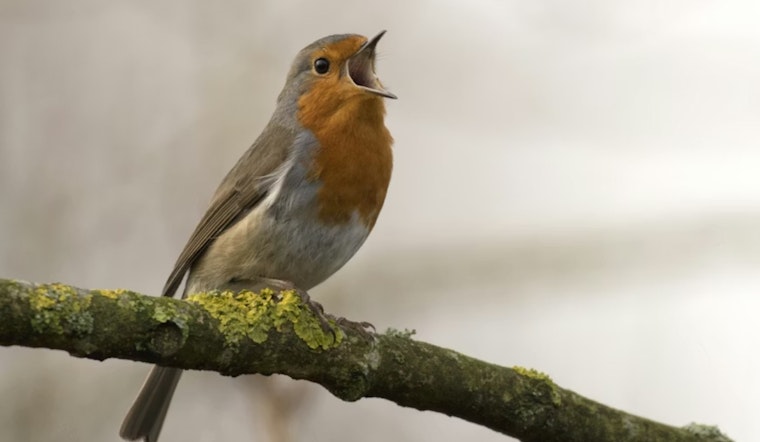
Human-made noise is not just drowning out the dawn chorus. A sweeping new analysis led by University of Michigan researchers finds that all that racket is measurably changing how birds live, eat and raise their young, and it is often costing them future generations.
The research team reports that traffic, construction and other human clamor consistently disrupt communication, foraging and mating behaviors in birds, and that those changes routinely show up as lower reproductive success. The resulting behavioral and fitness hits could be one more piece of the puzzle behind long-term bird declines that have conservationists on edge.
The peer-reviewed meta-analysis pulled together 944 effect sizes from studies spread across six continents, covering about 160 bird species and drawing on more than 150 papers published since 1990, according to Proceedings of the Royal Society B. Across this massive data set, the authors found that noise significantly altered communication, foraging, aggression and physiology, and that it produced strong negative effects on reproduction.
Lead author Natalie Madden, who launched the review while earning a master's degree at U-M's School for Environment and Sustainability, explained in a University of Michigan news release that birds lean heavily on sound to navigate daily life, from finding food to avoiding predators and attracting mates. That heavy reliance on acoustic cues, she noted, leaves them especially vulnerable when human noise fills the soundscape.
Senior author Neil Carter added that the effects of noise were remarkably predictable across species, which in his view makes them manageable through smarter planning in the built environment, according to University of Michigan.
How Noise Interferes With Breeding
The analysis identified clear, trait-based patterns that help flag which birds are most at risk. Species that nest closer to the ground showed bigger drops in reproductive success, and open-nesting birds experienced stronger hits to population growth, according to Proceedings of the Royal Society B. Birds that sing at lower frequencies were more likely to have their mating songs masked by traffic and industrial noise, scrambling courtship and territory signals at exactly the wrong time of year.
Urban birds, meanwhile, tended to show elevated stress hormones, tying noisy city soundscapes to measurable physiological strain. That stress response, layered on top of masked songs and disrupted foraging, forms a one-two punch that can quietly erode breeding success over time.
Mitigation The Researchers Say Is Within Reach
The authors do not frame the findings as a lost cause. Instead, they highlight steps that communities, campuses and planners can roll out right now. Simple changes include swapping gas-powered mowers and leaf blowers for quieter electric gear, timing loud construction work to avoid peak breeding seasons, and using sound-muffling materials and barriers when designing buildings and infrastructure.
Those ideas, featured in the University of Michigan release, are presented as straightforward ways to cut down on sensory pollution and give vulnerable species a better shot at nesting successfully. The researchers also stress that noise fixes are meant to complement, not replace, long-standing conservation strategies such as habitat protection and pesticide reduction.
What It Means For Michigan
The new analysis arrives against a sobering backdrop. Continent-wide monitoring suggests there are nearly 3 billion fewer breeding birds in the United States and Canada today than there were in 1970, a long-term decline scientists link to habitat change, pesticides and other mounting pressures, according to Science. The Michigan team's work suggests that smarter noise management could be folded into state and local conservation strategies alongside habitat work, adding another tool to support struggling populations.
On campus, the University of Michigan already runs a bird-protection program that targets building collisions and habitat management. The campus sustainability office says that adding quieter landscaping practices and targeted sound mitigation around key areas could expand those efforts and better shield sensitive species. The study drew extra local attention when the Detroit Free Press covered the research on March 2.



