

























































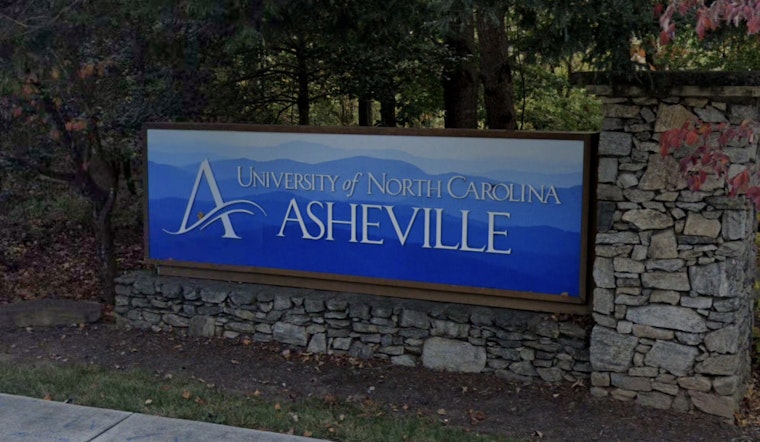
UNC Asheville is widening a financial-aid program that can wipe out tuition for many in-state students and sharply cap costs for those from nearby states. Under the updated Access Asheville plan, qualifying North Carolina families with household adjusted gross incomes of $90,000 or less will pay no tuition or fees, and eligible students from Georgia, South Carolina, Tennessee and Virginia will face a maximum of $10,000 a year in tuition and fees. University officials say the expansion is designed to remove cost as a barrier and encourage students who might otherwise overlook Asheville to give the campus a serious look. The move fits into a broader push in North Carolina to make public college more affordable for lower- and middle-income families.
Program expansion and guarantees
As outlined by UNC Asheville, Access Asheville launched in 2024 and now guarantees full tuition-and-fees coverage for eligible North Carolina residents with household adjusted gross incomes up to $90,000. The university also notes that the expansion will hold tuition and fees for qualifying students from Georgia, South Carolina, Tennessee and Virginia to $10,000 per year after federal, state and institutional grants and scholarships are applied. Officials say the goal is to give families a clear, up-front sense of what college will actually cost instead of leaving them to decode a maze of aid offers.
How families qualify
According to UNC Asheville, applicants must complete the Free Application for Federal Student Aid (FAFSA) and meet residency rules to verify household adjusted gross income. The university says Access Asheville covers the remaining tuition-and-fees gap once federal, state and institutional grants are applied, and that awards are available for up to eight semesters for first-year students and seven for transfer students. The program applies to fall and spring semesters only and does not factor private scholarships into the Access Asheville calculation.
What administrators and students say
Associate Vice Chancellor Marcio Moreno told Spectrum News the program is meant to simplify how families figure out paying for college. “One of the most difficult parts of the process is really how I’m going to pay for this,” Moreno said, adding that the program is designed to ease that stress. Student Jay Agrinsoni told the outlet Access Asheville helps her “worry about my future more and not have to worry so much about the present,” underscoring how the guarantee can shape a student’s decision to enroll.
A high-cost backdrop
Data tracked by the Education Data Initiative show total annual tuition, fees and living expenses often push undergraduate costs into the tens of thousands, which helps explain why last-dollar or capped-price programs are getting so much attention. North Carolina already has large affordability efforts in place: the NC Promise Tuition Plan trims undergraduate in-state tuition at four campuses (Elizabeth City State, Fayetteville State, UNC Pembroke and Western Carolina) to a $500 per semester baseline, a move detailed by EdNC. That statewide context helps frame UNC Asheville’s decision to broaden Access Asheville’s reach beyond state lines.
Early results and next steps
UNC Asheville reports strong early interest in the program. The university says 216 new first-year and transfer students enrolled through Access Asheville for Fall 2024, representing about 21.5 percent of new students. The expanded income ceiling and geographic reach take effect for applicants to the 2025-26 academic year, and the university directs families to its net price calculator for estimates of remaining costs while noting students may still qualify for federal work-study and loans. Administrators say they will keep an eye on enrollment patterns and aid capacity as Access Asheville grows.
Checking eligibility
Prospective students are encouraged to complete the FAFSA to verify household adjusted gross income and get a clearer estimate of remaining costs. For federal aid information and to submit the FAFSA, see Federal Student Aid; for program specifics, UNC Asheville’s financial aid office lists contacts and a net price calculator on its site.





