

























































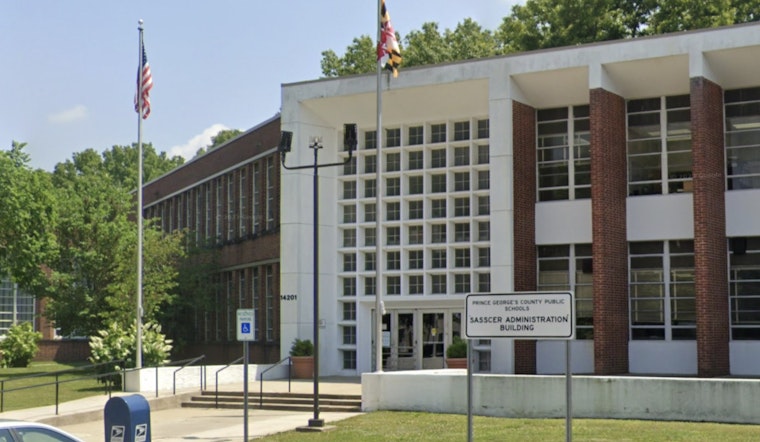
Prince George’s County Public Schools now says every student who is supposed to have a one-on-one aide listed in an Individualized Education Program has a dedicated aide in place, according to a recent district update. The move comes after Project Baltimore reported last year that dozens of students were left without the federally required support. Families and advocates are greeting the change as overdue progress, while warning it does not settle longer-term concerns about enforcement and oversight.
In a statement to Project Baltimore, the district said that as of March 5 it had assigned a one-to-one aide to every student whose IEP calls for one. Michael Mareno, chief of staff to Delegate Nicole Williams, told Project Baltimore that one-to-one aides are “critically important” to students’ well-being and educational success. The district update and related comments were reported by WBFF (Fox45).
Probe found dozens without aides
Last August, a Project Baltimore investigation uncovered that 80 Prince George’s students who were listed in IEPs as needing a 1:1 aide did not have one during the 2024-25 school year. “No one ever gets fired or loses their job for not following federal law,” parent advocate Cindy Rose told Project Baltimore, capturing the frustration many parents voiced. The investigation and ensuing complaints from families helped draw state and local attention to the staffing gap, as reported by WBFF (Fox45).
State findings and audit show broader problems
State review documents and complaint findings describe multiple instances in which PGCPS failed to implement IEPs and did not provide required direct-support aides for individual students, detailing missed services and procedural missteps. Those violations are outlined in formal complaint letters from the Maryland State Department of Education.
A separate legislative audit of the district flagged persistent payroll, procurement and contracting issues and questioned the system’s ability to accurately track and oversee special education spending. That audit is summarized in a report from WTOP, which republished the findings originally produced by Maryland Matters.
Lawmakers push oversight bill
In Annapolis, Delegate Nicole Williams has introduced House Bill 1013, the Prince George’s County Special Education Service Delivery, Transparency, and Accountability Act, which would require a third-party audit of the county’s special education department, quarterly public updates, additional staff training and specific budget lines to fund one-to-one aides with full-time pay and benefits. The bill was assigned to the House Ways and Means Committee and received a hearing in early March. Maryland General Assembly; LegiScan.
What’s next
Advocates say the bill could help clear up transparency gaps around special education services, although they argue it stops short of including automatic enforcement measures or real personnel accountability if IEPs are not followed. Parents and disability-rights groups are now watching for committee action on the legislation and for any follow-up from the Maryland State Department of Education on compensatory services for students who went without required supports last year.





