

























































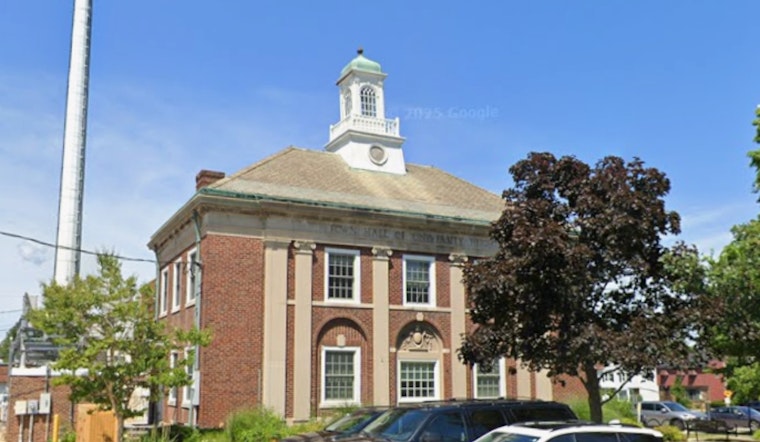
Residents packed a recent University Heights City Council meeting as members opted to hit pause on a proposed tweak to the city’s fair-housing ordinance that critics said would strip protections from tenants who pay rent with housing vouchers. The amendment would have removed language that asks landlords to participate in federal, state, local or private programs that make rental-assistance payments. Council voted to table the measure and left it without a new hearing date.
According to Cleveland.com, Councilmembers Win Weizer and John Rach sponsored the amendment. Mayor Michele Weiss framed the change as an issue of “clarity, legality and good governance,” while Law Director Brad Bryan told council that “persuasive case law has concluded that legislation mandating landlords accept financial assistance payments is unlawful,” a legal concern the sponsors said they were trying to address.
Legal fight heats up
The local showdown is unfolding against a backdrop of active litigation. ZG Properties has filed a federal declaratory action challenging portions of the city’s fair-housing ordinance, and the Fair Housing Center for Rights & Research has sued the owners and managers of Huntington Green Apartments, alleging they turned away voucher holders. The ZG Properties case appears on the federal docket via Justia Dockets & Filings, while the Fair Housing Center lawsuit was reported by Axios Cleveland.
Advocates say changes would hit vulnerable residents
Housing advocates warned council that the amendment would narrow the already tight housing options for residents who rely on vouchers. As reported by Cleveland.com, Fair Housing Center associate director Kris Keniray told officials that roughly 23 percent of voucher recipients are heads of household aged 62 or older, nearly 40 percent are disabled, 44 percent are single parents, and the average voucher household’s annual income is about $14,332.
What the law says locally
University Heights added source-of-income protections to its ordinance more than a decade ago and then clarified the law in 2019 to make sure voucher holders could seek housing on equal terms. That history is documented in the city’s 2012 council minutes and the compiled ordinance language. For the underlying text and subsequent amendments, see the records from the City of University Heights and the compilation from the Poverty & Race Research Action Council.
What's next
For now the amendment is parked off the council agenda while its sponsors and city attorneys sort through the legal red flags that have been raised. Residents and housing advocates say they plan to keep pressing to maintain the city’s source-of-income protections and to watch the related court cases that could define what University Heights is ultimately allowed to require of landlords.
Legal implications
Legal observers say the core question is whether cities can require landlords to accept Housing Assistance Payment arrangements that come with inspections and access to records. Case Western Reserve Law professor Matt Rossman has noted that constitutional challenges to local source-of-income protections are a familiar tactic for landlords but can be tough to win. The ZG Properties declaratory action will put those arguments to the test in federal court, a landscape Case Western Reserve University has reviewed in its coverage of the issue.





