

























































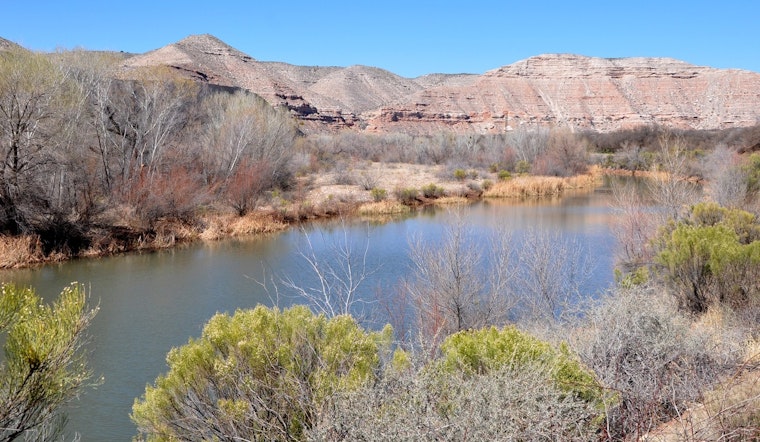
The Verde River watershed just brought home a C+ on its latest health report card, a verdict that mixes applause with concern. Bird habitat and public access for recreation are doing well, yet water quality and sediment are raising red flags for managers. The new score also reflects modest gains in upland conditions alongside stubborn holes in the data. Conservation groups say the grade is partly a story of sharper measurement, not just decline, since the river looks different now that scientists are watching it more closely.
According to the 2025 Verde River Watershed Report Card, the watershed scored 58% (C+), with Water at 48% (C), Habitat at 63% (B-) and Community at 62% (B-). Verde River Watershed Report Card staff evaluated 17 indicators across water, habitat and community measures and found visitor satisfaction and riparian birds among the top performers. The same document notes that several indicators remain thinly sampled, which makes it tough to compare conditions across the seven regions of the watershed.
New Data Exposes Problems That Used to Hide in Plain Sight
David Gressly, executive director of Friends of the Verde River, told KJZZ that stepped-up monitoring is reshaping the numbers. Certainty about water quality has improved, he said, but the expanded sampling network is also catching issues that drag down the Water category. Friends of the Verde River now pulls data from roughly 50 sites and aims to reach about 80 to close geographic gaps and better track change across the basin. Gressly framed the shift as evidence that managers finally have clearer signals to respond to, not simply proof that conditions have suddenly collapsed.
Why the Bugs Matter, and Why There Aren’t Enough
One of the lowest scores came from macroinvertebrate surveys, the small aquatic insects scientists use to judge stream health, which landed at just 26% (D) because several regions lacked recent sampling. The report ties that shortfall to staffing limits and pandemic-related gaps and calls for more macroinvertebrate work so managers can get a real read on water quality. Across the watershed, the water quality certainty metric jumped from about 27% in 2020 to roughly 79% in 2025 as groups coordinated sampling, a shift that shows how data collection itself can change the story. Detailed breakdowns and regional scores are available from the Verde River Watershed Report Card.
Sediment, Reservoirs and a Pricey Fix
The report also calls out sediment moving downstream as a growing problem that can clog reservoir storage and complicate long-term planning. As KJZZ noted, that buildup is one reason local water managers have floated the idea of enlarging Bartlett Reservoir. Earlier reporting described a roughly $1 billion proposal to raise Bartlett Dam by about 100 feet to recover lost storage, a plan that cities, tribes and water districts have been weighing as they try to lock in future supplies. KUNC has covered those talks and the price tag.
Bright Spots for Birds and Paddlers
It is not all doom and gloom. The report gives riparian bird habitat a solid A-range score, and visitor satisfaction is near the top of the charts, thanks in large part to easy access for kayaking, swimming and fishing in spots like Oak Creek near Sedona. The Nature Conservancy points to targeted upland restoration projects, including juniper thinning and erosion-control structures, as factors that have helped cut erosion and strengthen habitat. Those on-the-ground efforts suggest that well-aimed restoration can deliver measurable gains even while monitoring turns up new trouble spots.
Why This Report Card Matters
The Verde is not just a scenic valley stream. It feeds reservoirs and aquifers that support agriculture and drinking water for more than 3 million Arizonans, a point Friends of the Verde River stresses in its summary of the findings. Friends of the Verde River and its partners argue that looking at water, habitat and community together helps planners sort through trade-offs between recreation, habitat restoration and municipal water storage. That crossroads is also why sediment trends and water-quality scores quickly turn into real-world questions for the cities that depend on the river downstream.
What Comes Next for the Verde
The report lays out a straightforward to-do list: broaden coordinated monitoring, expand macroinvertebrate surveys, spread recreation use to relieve pressure on Oak Creek and keep pushing upland restoration to slow sediment delivery. The Nature Conservancy and local partners point to ongoing projects and a watershed monitoring plan as tools managers can lean on right away. With two report-card cycles now in hand, community leaders say they finally have trend lines that can guide high-dollar decisions about where to invest in restoration and where to shore up storage.





