

























































Arizona families of students with special needs are scrambling as a wave of school and program closures sweeps the state, cutting into the carefully built routines that keep therapies, aides and classroom services on track. Parents and advocates say abrupt shutdowns are triggering rushed transfers, emergency IEP meetings and sleepless nights over how much progress students may lose.
Eleven Arizona schools are slated to close this summer, with more campuses expected to follow next year. In response, advocates have jumped in with emergency guidance and virtual events to help families preserve services and paperwork, according to 12News.
Advocates set up virtual help
Local advocacy groups are moving quickly to plug the gaps. Champions for Kids, led by state education advocates, is hosting virtual town halls and monthly webinars that walk families through updating IEPs, gathering records and asking new districts for comparable services, according to Champions for Kids. Organizers say the sessions are meant to arm parents with the right paperwork and talking points before a campus closes or a program suddenly goes on pause.
Closures are already disrupting programs
Some shutdowns are no longer hypothetical. In Buckeye, Liberty Elementary leaders told families that a private day program run by Sierra Schools was suspending services “effective immediately,” leaving roughly 30 students without placements and with weeks still left in the school year, local reporting found. Parents told TV reporters they were “left in limbo” and scrambling for options with almost no notice, according to KOLD.
Federal rules on IEP transfer rights
Federal guidance from the U.S. Department of Education’s Office of Special Education and Rehabilitative Services says that when a child with an IEP transfers to a new district, the receiving public agency must initially provide services that are “comparable” to the existing IEP. That can include extended school year (ESY) services, and it must continue until a new IEP is adopted. Advocates point to this OSEP letter when they urge districts to put interim supports in place immediately rather than waiting for lengthy team meetings, according to the U.S. Department of Education.
Voices on the front lines
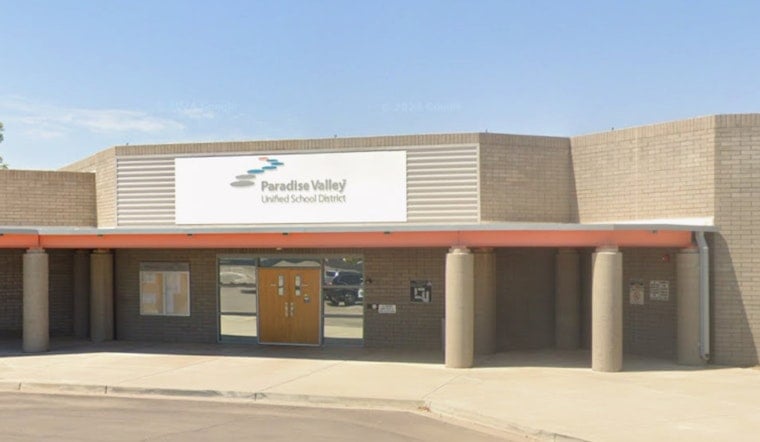
Karla Phillips‑Kravickas, founder and chief strategy officer of Champions for Kids, told 12News that “an IEP is a passport to take to the new school,” urging parents to step in as their child’s strongest advocate. Linda Taylor, identified in reporting as a former special education director for Paradise Valley Unified, joined advocates in advising families to gather updated IEPs, evaluations and service logs before any transfer is made.
What families can do now
Advocates recommend that families double-check that their child’s IEP is current, request certified copies of education records, and ask the receiving district to put comparable services in place immediately while the team meets to adopt a new IEP. Parents are also being encouraged to reach out to parent training centers and to look into the state complaint process as lawmakers weigh changes intended to make that path easier to navigate, according to the Arizona Capitol Times.
Where to get help
Families seeking direct assistance can find trainings and peer advocates through Champions for Kids and Arizona’s Parent Training and Information Center, Raising Special Kids, and can contact the Arizona Department of Education’s Exceptional Student Services office for dispute-resolution options and district contacts. The organizations’ websites list event schedules, sample IEP checklists and contact information to start an urgent records request or seek interim services: Champions for Kids, Raising Special Kids, and the Arizona Department of Education.





