

























































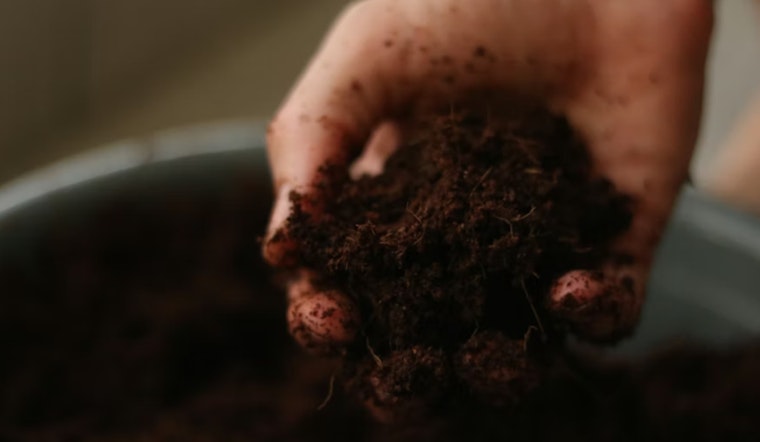
A weekend gardening project in Waipahu turned into a full‑on bug scare when a Waialua woman says she opened a fresh bag of potting soil from the Lowe’s in Waipahu and found it crawling with coconut rhinoceros beetle larvae.
Wendy Manalo had picked up three discounted bags of Sta‑Green potting soil, left them outside overnight and cracked one open the next day. Instead of just soil, she says she uncovered a squirming mass of invasive grubs, a discovery that rattled her family and prompted a call to state agricultural officials.
What she found
Manalo said she ultimately pulled and counted about 60 C‑shaped larvae from the newly opened bag, describing them as “shrimp sized.” The bags were on sale for about $5 each, as reported by Hawaii News Now. She told the station she was “freaking out” because of what coconut rhinoceros beetles can do to palms and other plants.
Store response and inspection
Kalani Lagoc, a manager at the Waipahu Lowe’s, told Hawaii News Now that workers immediately checked other products once they heard what happened. Staff searched roughly 30 bags on the same pallet and opened another six or seven, with no larvae found in those bags.
According to Lagoc, employees later noticed a hole in the last bag on the pallet. He also said the store gets a report of coconut rhinoceros beetles in a sold bag about every two months. “We’re going to go ahead and do what we gotta do to make sure that the next customer that’s going to grab a soil from that pallet isn’t dealing with the same thing,” he told the station.
Why officials are concerned
Coconut rhinoceros beetles were first detected on Oʻahu in 2013 and have since become established there. Response teams and the Hawaiʻi Department of Agriculture say the pest has been detected on Kauaʻi, Maui and Hawaiʻi Island in recent years. The department’s annual report documents detections and notes that bagged compost and potting mix have previously shown coconut rhinoceros beetle exit holes at retail locations, making bagged green waste a known vector for spread.
State plant‑quarantine measures and interim rules aim to reduce the movement of high‑risk material from Oʻahu, as outlined by the Hawaiʻi Department of Agriculture.
How to check your soil and report
Officials urge shoppers to inspect bags for exit holes before purchase, keep opened bags sealed and avoid leaving loose green waste outside where beetles can lay eggs. The Oahu Invasive Species Committee posts identification tips and a reporting hotline, 808‑643‑PEST, and directs people to its coconut rhinoceros beetle guidance for identification and next steps; see the Oahu Invasive Species Committee.
If you find suspected grubs, officials say to take photos, contain the specimen if you can and contact coconut rhinoceros beetle response for confirmation.
Manalo’s unsettling find is the latest reminder that commercial landscaping products can carry invasive pests. Lowe’s said the Waipahu store will take steps to limit the risk, and state teams continue to ask for public vigilance so crews can respond quickly to any new findings.





