

























































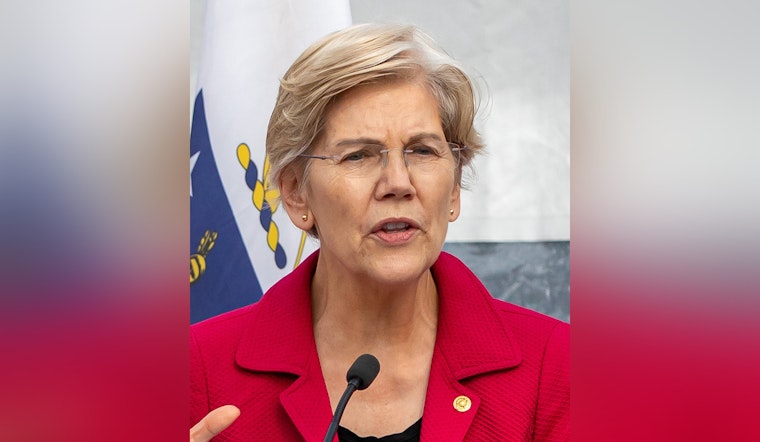
Sen. Elizabeth Warren and a group of Senate Democrats are moving to give federal prosecutors a lot more time to go after foreign-bribery cases. On Monday, they announced plans for the FCPA Reinforcement Act, a bill that would double the current five-year statute of limitations for criminal anti-bribery violations to 10 years.
The measure, co-sponsored by Sen. Dick Durbin and about a dozen other Democrats including Sheldon Whitehouse, Jeanne Shaheen and Andy Kim, would not make that 10-year window permanent. Instead, the longer limit would last eight years before snapping back to the current five-year rule. Warren said the proposal "sends a clear message" that enforcement of the law "is here to stay," according to Reuters. Sponsors have cast the bill as a reminder to companies that past misconduct may still be within reach of prosecutors despite recent policy shifts at the Department of Justice.
Background: FCPA enforcement shift
The legislative push follows a Feb. 10, 2025 executive order from the White House that directed a temporary pause and review of Foreign Corrupt Practices Act enforcement, along with a Department of Justice memo later in the year that reshaped priorities for foreign-bribery investigations. The order instructed the attorney general to halt new FCPA probes for 180 days while enforcement guidelines were revised. The full text of the order is posted by The White House.
How the bill would work
Under current federal law, most non-capital offenses are subject to a five-year default statute of limitations, although criminal charges tied to accounting or securities provisions can have different timelines. In FCPA cases, prosecutors can also pause, or "toll," those deadlines when they need evidence from overseas, a procedural step that often stretches the effective life of a case in cross-border investigations. Those mechanics are described in the Justice Department's Criminal Resource Manual and in legal analyses such as the memorandum from Miller & Chevalier.
Compliance risk
Advisers caution that the temporary enforcement pause ordered by the White House should not be treated as a free pass to relax anti-bribery controls or stop voluntary disclosures. As Baker McKenzie notes, companies with overseas operations still face meaningful enforcement exposure from foreign authorities and civil regulators, so keeping robust compliance programs in place remains the safer bet.
Legal implications
If it becomes law, the extension could reopen the door to criminal charges for conduct that currently sits outside the five-year window, particularly once mutual legal assistance requests or tolling orders are layered on top of a longer statute. That mix of statutory limits and procedural tolling means defense lawyers and in-house compliance teams would have to monitor not only the calendar but also each procedural step prosecutors take, as discussed by Miller & Chevalier alongside the Justice Department's Criminal Resource Manual.
What's next
Sponsors said they plan to formally introduce the FCPA Reinforcement Act on Monday, setting up what they expect to be a lengthy legislative fight. The bill faces slim odds of passage unless Democrats improve their standing in November, Reuters reported.





.jpg)