

























































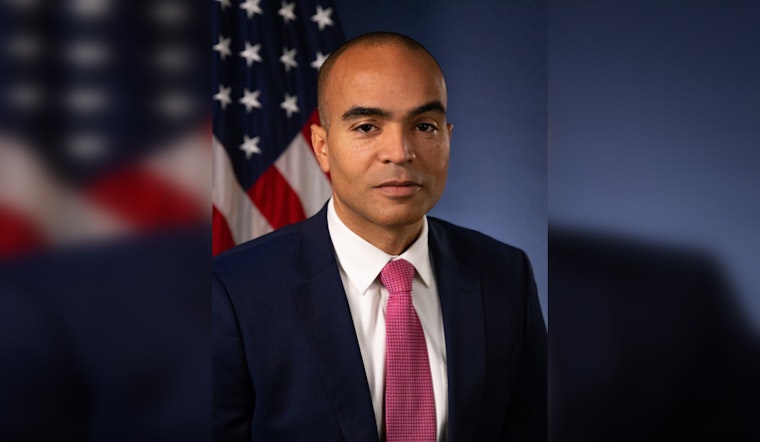
Washington Attorney General Nick Brown has taken online prediction market Kalshi to court, filing suit on Friday, March 27, and accusing the company of running an illegal, unlicensed gambling operation in the state. The lawsuit claims the Kalshi app allowed Washington residents to wager on sports, elections, and thousands of other events, and asks a King County Superior Court judge to order the company to turn over its records and help recover money that Washingtonians lost on the site.
According to FOX 13 Seattle, the filing alleges Kalshi ran targeted promotions aimed specifically at Washington users, including an NFL advertisement, even though it is not licensed by the Washington State Gambling Commission. The complaint also says the company recruited college influencers to push the app to young adults, and that the platform is designed to exploit psychological triggers and drive impulsive, high-risk play. Prosecutors are asking for a list of Washington residents who used Kalshi and lost money, and the filing gives the company 60 days to respond.
Part of a national enforcement push
The Washington case arrives as part of a broader crackdown on prediction-market platforms across the country. Arizona filed criminal charges against Kalshi on March 17, and several other states have launched civil enforcement actions or issued cease-and-desist orders as regulators argue over whether these products count as gambling or as federally regulated derivatives. As outlined by AP News, the Commodity Futures Trading Commission, backed publicly by its chair, has signaled support for federally regulated prediction markets, setting up what looks like an eventual state-versus-federal legal showdown.
Why Washington says the platform violates state law
Washington law generally bans internet gambling unless an operator is properly licensed, and the state’s complaint characterizes Kalshi’s contracts as unlicensed wagering rather than protected derivatives. The Attorney General’s office has pointed to statutory language and prior rulings that treat in-app virtual currency as a “thing of value,” the same legal theory the state has used in earlier enforcement cases, and it summarized that framework in a recent release. That statutory backdrop is central to why state regulators have pursued both civil and criminal remedies even as Kalshi advances its defenses in federal court.
What happens next
The case was filed in King County Superior Court, and Kalshi now has the period allowed under Washington procedure to answer the complaint. The company has pushed back against other recent state actions, calling them “seriously flawed” and saying it will defend itself, as national coverage of Arizona’s charges has shown. Whether Washington’s civil case survives early motions will depend on how the court handles the clash between state authority and federal oversight claims, and both sides are expected to file additional litigation papers and possible motions over jurisdiction and remedies in the coming weeks.





