

























































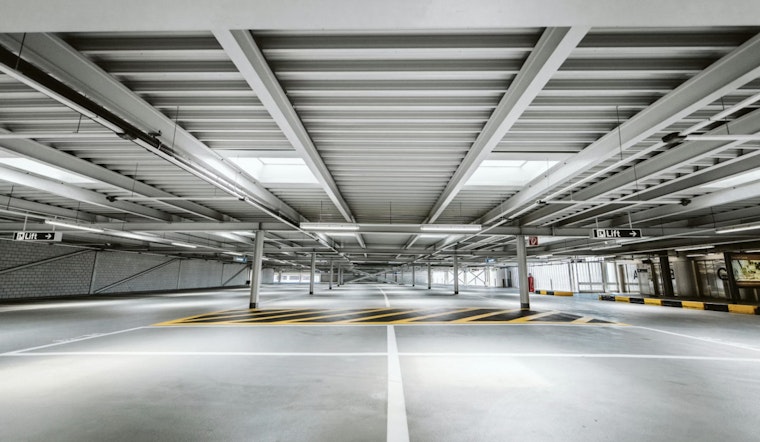
Raleigh’s southern gateway could soon swap aging industrial land for a high-tech car hive, as a local developer pursues a $52 million automated parking garage that it says will be “Waymo-ready.” The vision: a structure that can handle fleets of self-driving vehicles, tuck cars away on mechanized racks, and free up the surrounding streets and parcels for housing, retail and a new public plaza.
Capital City Urban Development is positioning the project as a key piece of Raleigh’s south-side makeover, on long-contaminated land that has been tied up in planning and cleanup requirements for years. If it moves forward, the facility would double as both a robotaxi operations hub and a public-facing space at the edge of downtown.
According to the Triangle Business Journal, Capital City Urban Development is proposing roughly $52 million for an automated parking deck that can support self-driving vehicles and includes a publicly accessible plaza. The developer is pitching the garage as a way to reshape the southern gateway by concentrating vehicle storage, building in EV charging capacity and opening up new open space. Representatives told the outlet the deck would be designed to adapt as autonomous fleet needs change over time.
Public records from the City of Raleigh show the proposal listed as the City Gateway Subdivision, with Capital City Urban Development named as the applicant. A state DEQ Brownfields notice for the Kindley Street parcels confirms contamination on the site and lays out the remediation steps required before anything can be built. Taken together, the filings describe a plan to reuse roughly 10 acres of former utility and industrial land for a mix of parking, housing and retail.
How the automated garage would operate
Regional financing documents and related board minutes indicate the site’s program has shifted away from a previously envisioned office project and toward an automated parking concept. Meeting notes describe a system that uses mechanized pallets, tight vertical stacking and integrated EV charging so vehicles can be stored and retrieved without on-site drivers.
Vendors of these automated parking systems promote features such as metered EV charging and remote monitoring. According to developers, that toolkit makes a building more flexible for future robotaxi fleets while using far less land than a conventional ramped garage.
Why Raleigh’s southern gateway is in the spotlight
Supporters argue that compact, mechanized parking paired with dedicated robotaxi access could unlock land that is currently tied up in surface lots and create new public spaces in the process. National coverage, including a recent story from Axios, has highlighted how growing robotaxi services can reduce long-term parking demand and potentially reshape how cities plan and pay for parking infrastructure.
Backers of the Raleigh project say a smaller-footprint garage plus a plaza could speed up walkable infill at the southern gateway while keeping options open for whatever form future mobility takes.
There are still plenty of hurdles ahead. The proposal must clear the city’s site review and permitting process, and the developer has to finalize any brownfields agreement with the state before construction can start. The DEQ notice requires a public comment period and specifies detailed cleanup steps for the Kindley parcels, so the schedule will depend heavily on environmental approvals and any additional city conditions.
Nearby residents and businesses can expect formal notices and chances to weigh in as the permitting process moves forward. Whether the $52 million price tag and the Waymo-ready branding ultimately turn into a finished garage will hinge on those approvals, and on how quickly autonomous vehicle fleets actually expand in the Triangle.





