

























































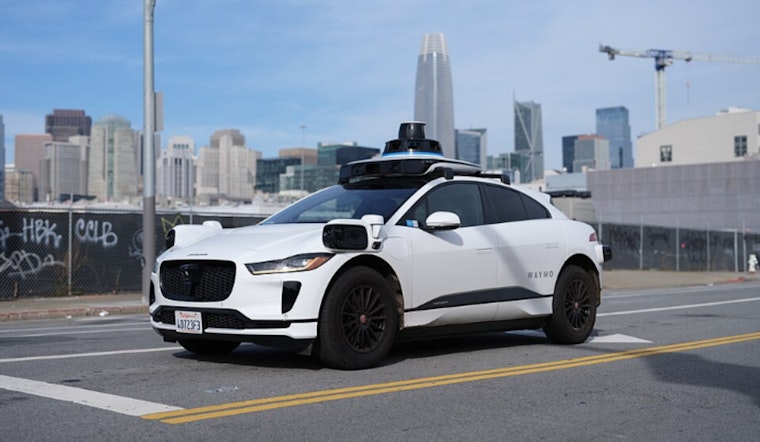
Waymo came to Minnesota hoping to put driverless robotaxis on Twin Cities streets. Instead, the company is running into political black ice at the State Capitol, where lawmakers and community groups are scrutinizing how, when, and even whether fully autonomous cars should roll in a state known for whiteout winters.
The core fight centers on a bill that would open a regulatory lane for fully driverless service, but with new safety, insurance, and reporting rules. After this week’s committee work, Waymo’s Minnesota timeline is anything but clear, and the burden is squarely on the company to prove its tech can handle snow, ice, and low visibility without a human at the wheel.
What's at the Capitol
On March 4, House lawmakers dug into HF3513, a bipartisan autonomous vehicles bill, in the Transportation Finance and Policy Committee. Members spent hours taking testimony from public safety officials, transit advocates, and industry representatives, then adopted a string of amendments that reshape who can operate driverless services and what data and plans they must turn over to the state, according to the Minnesota House. The changes reflected mounting pressure to spell out how companies will keep both riders and everyone else on the road safe.
What the bill would require
The lead author’s amendment tightens the rules for any company seeking permission to run vehicles without a human driver. It limits permits to passenger vehicles, sets a high financial responsibility floor for driverless operations, and requires independent third-party verification that automated systems can safely operate in snow, ice, and low visibility. The same amendment gives regulators explicit authority to suspend or revoke permits if safety standards are not met, according to the text adopted by the Transportation Committee (H3513A17).
Waymo's pitch and testing in Minnesota
Waymo has been leaning hard on its national safety record as it looks to expand. The company says its driverless fleet has logged roughly 127 million fully autonomous miles, a figure it highlighted in recent investment and expansion announcements (Waymo). In Minnesota, Waymo began mapping Minneapolis streets last year and has been running manual drives to collect local data before any rider-only service launch, a step that was spotlighted in local TV coverage (CBS Minnesota).
Lawmakers and politics
Supporters of HF3513 argue the bill would finally give companies like Waymo the legal clarity they say they need while also bringing engineering and operations jobs to Minnesota. Lead sponsor Rep. Jon Koznick has said lawmakers should focus on retraining workers who could be affected by automation and suggested that some of the direst job loss predictions are overstated.
More skeptical Democrats and other lawmakers are not looking to slam the brakes on the technology, but they want firm proof it will be safe in Minnesota conditions. They have pressed for clear safety certifications and detailed winter operations plans. Rep. Brad Tabke told FOX 9, “This is not something that we want to stand in the way of progress and in the way of technology being adopted. We just want to make sure that we’re keeping Minnesotans safe.”
Drivers and transit advocates push back
Not everyone is sold on opening the door for driverless fleets. Rideshare drivers, union representatives, and advocates from the blind community testified that any authorization needs to come with worker protections and concrete accessibility guarantees, not just promises. At one point, lawmakers weighed an author amendment that would tack on a 10 percent surcharge for prearranged rides in central business districts, with the money earmarked for transit and accessibility programs (H3513A13).
The hearing record shows just how crowded this debate has become, with dozens of witnesses from groups including MADD and organizations representing Uber and Lyft drivers weighing in on how the state should balance innovation with public safety and people’s livelihoods (Minnesota House).
Legal and liability notes
The amendment language takes a significant legal step by treating the automated driving system itself as the legal “driver” when there is no human in control. That shifts many compliance and enforcement questions onto the operator and the software running the vehicle.
It also spells out that operators, vehicle manufacturers, and the network companies behind the service can be jointly and severally liable in crashes. On top of that, the proposal requires robust plans for how vehicles will interact with first responders and sets high insurance minimums. If these provisions become law, they could have ripple effects in both litigation and the insurance market for autonomous vehicles (H3513A17).
What's next
HF3513 is still in the mix at the Capitol and must clear more committees before it can reach the House floor. The bill’s official status and full text are laid out on the Legislature’s site (HF3513).
For Waymo, that likely means a slow, phased approach in Minnesota: mapping and manual drives first, then limited invitations for riders if and when the regulatory dust settles. How quickly that happens will depend on where lawmakers finally land on safety thresholds, liability rules, and reporting requirements written into state law.




