

























































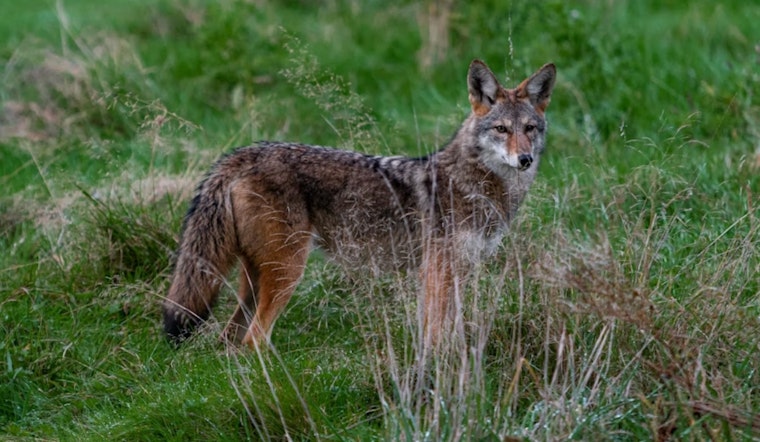
More than a dozen dead coyotes turned up on a hillside in western Hamilton County on Tuesday, rattling neighbors and triggering a state investigation into what happened. Residents say the apparent mass dumping of wild animals feels unsettling, and officials are now working to figure out how the coyotes died and who, if anyone, is responsible. So far, authorities have not released specifics about the cause of death or any potential suspect.
According to the Cincinnati Enquirer, more than a dozen carcasses were spotted along a hillside in the county’s western tier, prompting state investigators to step in. The Enquirer report was the first public account of the discovery and notes that a state-level inquiry was opened after the animals were found. Local authorities have not yet offered additional public details.
Who Is Investigating and How the Animals Are Handled
The Ohio Department of Natural Resources’ Division of Wildlife typically takes the lead when multiple dead wild animals turn up in one spot. County health officials advise residents to report sick or dead wildlife through the state’s reporting channels or by calling 1-800-WILDLIFE, according to Clermont County Public Health. From there, state wildlife officers coordinate with local agencies to collect samples and transport carcasses for laboratory testing to look for causes such as disease, poisoning, or physical trauma.
Officials usually hold off on detailed public statements until lab work is complete, in order to avoid jumping to conclusions. The testing process is meant to sort out not just how the animals died, but also whether there is any broader risk to people, pets, or other wildlife.
Why Testing Matters
Whenever a cluster of dead animals turns up, it can be a warning sign of contagious disease or exposure to toxins. For example, preliminary lab results in December confirmed highly pathogenic avian influenza in dozens of dead black vultures discovered in nearby Clermont County, a case that underscored why officials move quickly to test in mass-mortality situations, according to Spectrum News 1.
Lab analysis in cases like the Hamilton County coyote dump is designed to pinpoint the cause of death, identify any public-health or environmental hazards, and guide safe disposal of the remains. Depending on what tests are needed, results can take anywhere from several days to a few weeks.
How Residents Should Respond
Wildlife experts say residents should not touch or move dead animals and should keep children and pets away from the area. Local animal-welfare advocates recommend leaving carcass collection and testing to trained officers, guidance echoed by Cincinnati Animal CARE and by local reporting from WCPO. While the investigation plays out, residents are urged to secure trash, keep a close eye on smaller pets, and avoid leaving food outdoors to limit encounters with coyotes.
If you come across dead wildlife elsewhere, county public-health guidance says to report it through the state’s wildlife-reporting channels so officials can decide whether to collect samples for testing.
Legal and Enforcement Questions
Authorities have not publicly alleged any crimes at this stage. Investigators are working to determine whether the coyotes died from natural causes, disease, or human actions that might trigger enforcement. If testing points to poisoning or other illegal killing, state wildlife officers and local prosecutors could pursue charges under state law. Any such decisions would follow both laboratory findings and on-the-ground investigative work.
Officials have not shared further information while the state inquiry continues. The Cincinnati Enquirer provided the initial account of the incident and is expected to update coverage as results become available. Anyone with information or relevant photos is urged to contact local law enforcement or use the state’s wildlife-reporting system.





