

























































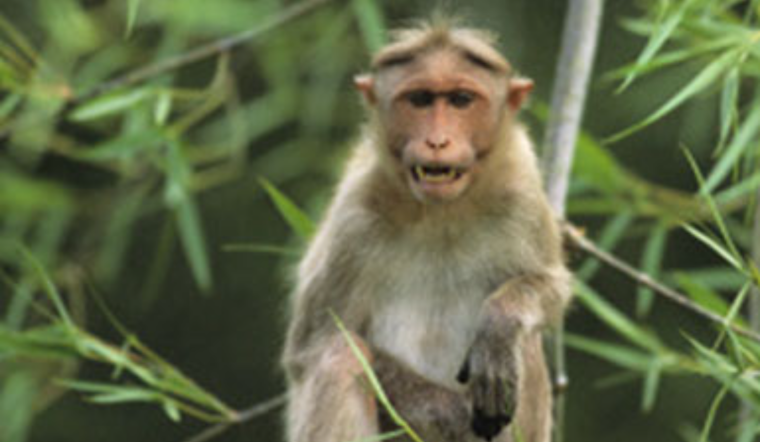
On the glass-clear water at Silver Springs State Park, the usual roll call of Florida wildlife goes something like this: gators, otters, birds. Then, if you are lucky and in the right spot, a whole troop of rhesus macaques suddenly appears in the treeline just a few feet from kayakers and glass-bottom boat riders. It is a wildlife moment people do not forget, but park staff keep repeating the same message about these wild, nonnative monkeys: enjoy the view, do not get close.
A close encounter on the river
On a recent clear-water kayak tour, a guide told visitors the macaques had been spending more time deeper in the park, so the group started scanning the shoreline instead of the channel. Before long, a troop emerged along the bank. As reported by ClickOrlando, the station noted that the monkeys often move in groups and that their calls and rustling can tip paddlers off before anyone actually spots them. The report echoes the park’s standing safety reminder to keep a respectful distance and never feed the animals.
How they got here
The Silver Springs macaques trace back to a handful of rhesus monkeys released in the late 1930s on a small river island by a jungle-cruise operator locals knew as "Colonel Tooey." The plan did not account for the macaques’ swimming skills. They moved off the island, spread along the Silver River, and eventually became a high-profile invasive colony. That origin story and its ecological context are detailed by the University of Florida IFAS Extension.
What researchers say about disease risk
Scientific sampling of the Silver Springs monkeys has found that many have been exposed to Macacine herpesvirus 1, also known as herpes B, and that some can shed viral DNA orally during certain times of year. A University of Florida-led study published in Emerging Infectious Diseases reported average seroprevalence around 25 percent and estimated oral shedding between roughly 4 percent and 14 percent during fall 2015 sampling. Transmission from free-ranging macaques to people appears to be rare, but both the study and public health guidance stress that exposures through bites, scratches, or contact with bodily fluids can be serious. The CDC advises seeking immediate medical care after any potential exposure.
Safety, reporting and park rules
Florida State Parks posts prominent reminders at Silver Springs to stay a safe distance away from all wildlife and not to feed the monkeys, and rangers may temporarily close specific areas when troops are active nearby. If a macaque acts aggressively or shows up outside the park’s core area, officials ask the public to report those sightings and any incidents to state authorities. The Florida Fish and Wildlife Conservation Commission lists phone numbers and online options for reporting wildlife issues and exotic species on its website.
The management dilemma
What to do with the Silver Springs monkeys has been debated for years. Private trappers once removed large numbers of animals, but routine trapping largely ended after public backlash and budget constraints, and the state now leans on warnings, visitor education, and targeted closures. The balance between animal welfare, visitor safety, and environmental impact is still unsettled. As reported by the Washington Post, the state agency responsible has said it supports active management, yet a permanent plan that wins broad support has not taken shape.
For anyone heading out on the Silver River, the bottom line stays simple: enjoy the spectacle from a safe distance, keep your camera handy and your hands to yourself, and report any unusual or aggressive behavior to the hotlines posted by park staff or on the Florida Fish and Wildlife Conservation Commission site.





