

























































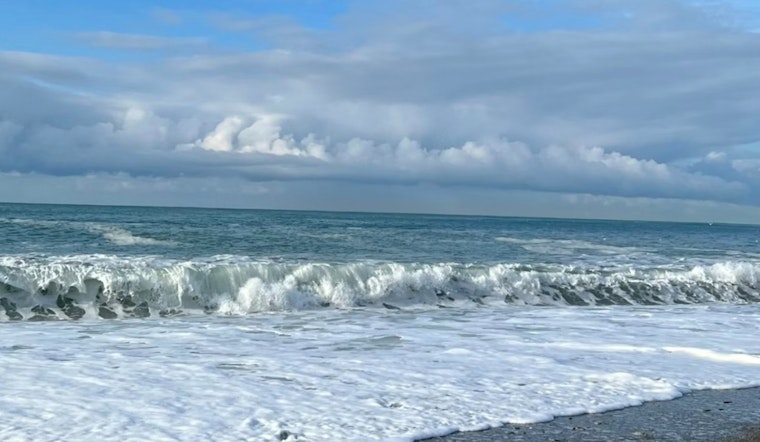
Jacksonville woke up Sunday, March 29, to gray skies, a stiff east breeze, and that mid‑60s chill that makes you second‑guess the flip‑flops. The high will top out near 68°F, but the real drama is at the coast, where large breaking waves and a high rip‑current risk are making ocean swimming a bad idea through Monday. Gusty onshore winds will keep blowing sand around and complicating beach plans well into the start of the workweek.
Rip Currents And High Surf
The National Weather Service is calling for breakers of 8 to 10 feet along northeast Florida beaches and 5 to 7 feet along the southeast Georgia shoreline. A High Surf Advisory remains in effect through 5 a.m. EDT Monday, March 30, and the high rip‑current risk continues into Monday evening, March 30. That combo brings dangerous swimming conditions, the chance for some localized beach erosion, and powerful rip currents that can yank even strong swimmers offshore. Inexperienced swimmers are urged to stay out of the water entirely and anyone who insists on getting in should stick to areas near lifeguards.
Afternoon Winds And Temperatures
Onshore east winds of 17 to 23 mph today, with frequent coastal gusts into the mid‑20s and occasional bursts up around 30 to 35 mph, will keep beaches blustery and make umbrellas and shade tents more like flying projectiles than sun protection. Inland spots warm into the 70s, and Monday, March 30, should push into the upper 70s with a chance of afternoon showers and isolated thunderstorms mainly away from the immediate coast. Nighttime lows stay on the mild side, generally in the low to mid‑60s right along the shoreline.
Boaters And Offshore Waters
Small craft advisories and elevated seas are expected to hang on into Monday, and in some marine zones through Tuesday, so recreational boaters are better off postponing nonessential trips and tying down any loose gear. Seas will be choppy with gusty southeast winds in the mix, so check forecasts before leaving the harbor and file a float plan if you absolutely must go out. The National Weather Service lists the specific marine zones and advisory times.
Beach Safety Tips
Anyone heading to the shore is urged to swim only near a lifeguard, obey posted flags, and avoid entering the surf during a High Rip Current Risk. If you are caught in a rip current, do not try to swim straight back against it: float, call for help, then swim parallel to the shoreline to work your way out of the current before angling back in. Check lifeguard status and the day’s flag conditions before you leave home, and if there is no lifeguard on duty, the safest option is to stay out of the water. For local safety guidance, see Jacksonville Beach Ocean Rescue.
Looking ahead, above‑normal temperatures return by midweek, with highs in the low 80s on Wednesday and Thursday and the potential for some patchy morning fog inland later in the week. For the next 48 hours, though, the big story at the coast is the wind and the surf, so factor that into any outdoor or beach plans.




