

























































A 23-year-old Honduran man who had already been granted asylum and classified under Special Immigrant Juvenile status says he still spent roughly four weeks in immigration custody after getting swept up in a large federal raid on San Antonio’s North Side on Nov. 16, 2025. His attorney’s account, published March 9, 2026, says an immigration judge ordered his release in early December. He is back at work now, but according to his lawyer he is still afraid to leave his house.
Attorney Hannah Eash-Gates of RISE for Immigrants told the San Antonio Express-News that her client had just finished a restaurant shift and was eating in his car at a food-truck lot when federal agents descended. She says they took him into custody without first asking to see identification. When he later showed his ID and Social Security card at a processing center, Eash-Gates told the paper, agents declared the documents "fake" and transported him to the T. Don Hutto detention center.
Federal authorities described the November operation as a court-authorized, multi-agency action led by the FBI and Homeland Security Investigations with assistance from the Texas Department of Public Safety. According to the U.S. Department of Justice, the sweep produced federal charges for at least two people. Local reporting and documents put the number of people taken into ICE custody at roughly 143, with dozens identified as having ties to Venezuela’s Tren de Aragua, according to KSAT.
Eash-Gates says she filed a motion to dismiss and that an immigration judge ordered the man’s release on Dec. 9. He left Hutto on Dec. 12, and his family helped him return to work and cover repairs for a car that lawyers say sustained about $2,000 in damage during the sweep. "He hesitates to leave his house," Eash-Gates told the Express-News, warning that people without attorneys could be pushed through removal proceedings before their status is actually verified.
What This Means Legally
Special Immigrant Juvenile status and asylum can provide significant safeguards. SIJS can be a path to lawful permanent residency, and asylum generally allows a person to remain and work in the United States. Those protections, however, depend on court findings and government records that are not always easy to access or confirm during a fast-moving, large-scale enforcement operation. As outlined by USCIS and explained in legal-aid materials, the paperwork and court orders behind SIJS or asylum can be decisive in immigration cases, and advocates say what happened at Hutto shows how much difference a lawyer can make.
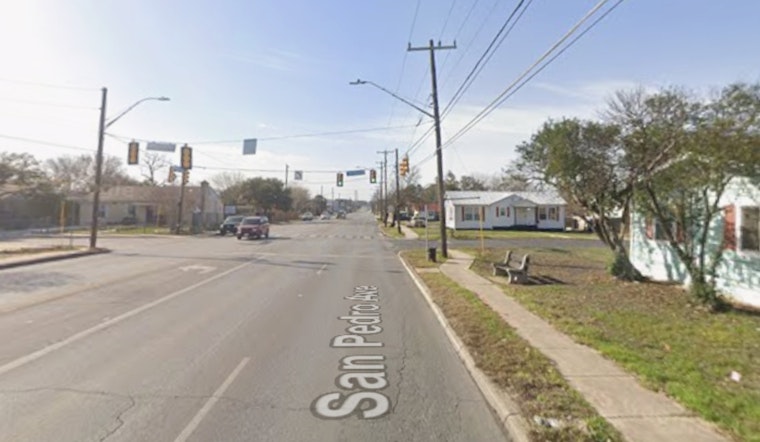
The raid has also sparked local oversight efforts and public pushback. Members of Congress pressed federal agencies for details in a joint letter that demanded the warrant and evidence used to justify the sweep, as detailed in a letter from Representatives Joaquin Castro and Greg Casar. Nonprofit reporting documented protests and continued calls for transparency near the San Pedro and Basse Road site, according to the San Antonio Report.
Immigrant-rights groups say the episode highlights why legal representation and clearer verification procedures matter when multiple federal and state agencies work together in raids. With the newly formed South Texas Homeland Security Task Force leading similar operations, lawyers and advocates are pushing for public disclosure about how identities and immigration histories are checked during sweeps so people with valid protections are not inadvertently funneled into removal proceedings.




