

























































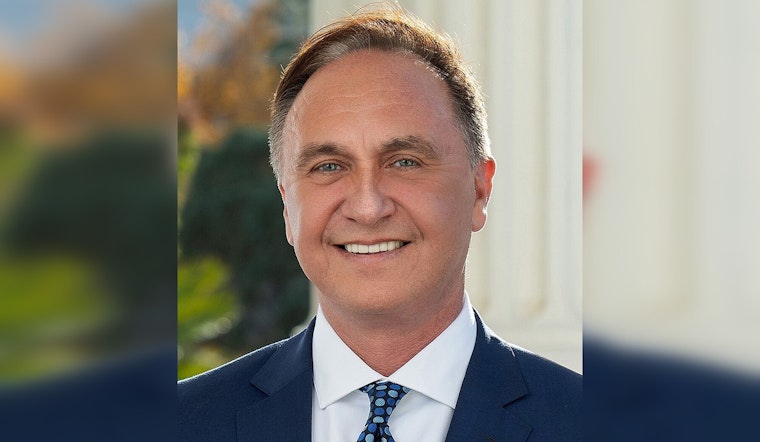
Assemblymember Rick Chavez Zbur is moving to tighten California's foster care safety net, rolling out AB 1967 on Feb. 13, 2026, in a bid to close what backers describe as dangerous gaps in the system. The bill focuses on two pressure points: long delays when young people ask the state for protection and technical rules that can shut former foster youth out of extended care. Supporters say the proposal is aimed at getting counties to move faster and cutting down on the housing instability that too often follows when the safety net frays.
What AB 1967 Would Change
AB 1967 would amend portions of the Welfare and Institutions Code to set a clear clock for county social workers: when a young person files a self-petition alleging abuse or neglect, workers would have 21 days to review the request and decide whether to open a juvenile dependency case. The bill also clarifies that a former foster youth should not be blocked from extended foster care if a guardian or adoptive parent is still receiving benefits but is no longer providing ongoing support. The full legal language spelling out those requirements appears in the official bill text posted by California Legislative Information.
Supporters And Sponsors
Zbur introduced AB 1967 with sponsorship from the Alliance for Children's Rights and the California Coalition for Youth, framing it as part of a broader push to reinforce protections for young people who report abuse or are aging out of care. His office has cast the bill as a commonsense tune-up meant to cut down on risky delays and strip away procedural hurdles that can block access to extended supports. The rollout, including the lineup of advocacy groups backing the measure, is laid out in an announcement from the California State Assembly.
Why Advocates Say It Is Urgent
Supporters describe AB 1967 as a targeted fix aimed at real-world problems rather than sweeping reform. Kristin Power of the Alliance for Children's Rights told the Santa Monica Daily Press that the bill "reduces artificial barriers" and helps prevent housing instability for young people leaving care, while Jevon Wilkes of the California Coalition for Youth said it "strengthens pathways to timely, critical support" for abuse victims who reach out. The outlet also reported that a recent state auditor review found investigations and services are often delayed by staff shortages and heavy caseloads, and that child protective services received more than 400,000 reports of abuse or neglect statewide in 2024, according to the Santa Monica Daily Press.
Audits Show Long-Standing Strains
Oversight reports have been flagging the timing and capacity problems targeted by AB 1967 for years. A California State Auditor review of Los Angeles County's child welfare agency found high vacancy rates and heavy caseloads that contributed to missed deadlines and backlogs, conditions that advocates say the bill is meant to chip away at. Similar issues have surfaced in other county reviews. Those findings are a key part of the case for putting firm timelines in statute and pushing for more consistent county responses when youth ask for help, according to the California State Auditor.
What Happens Next
AB 1967 was introduced on Feb. 13, 2026, and printed the following day. The bill's official page notes it may be heard in committee on March 16, 2026. From there, it would need to clear its policy committee, win a vote on the Assembly floor, then repeat the committee and floor process in the Senate. Advocates say they plan to track the hearings closely and push to keep the bill's timelines and eligibility safeguards intact as it moves.
For young people who say they are unsafe, supporters argue AB 1967 is a narrow but important tool to make county responses more predictable and faster. The coming hearings will test whether written timelines and clearer extended care rules can actually shift outcomes for youth on the ground.





