

























































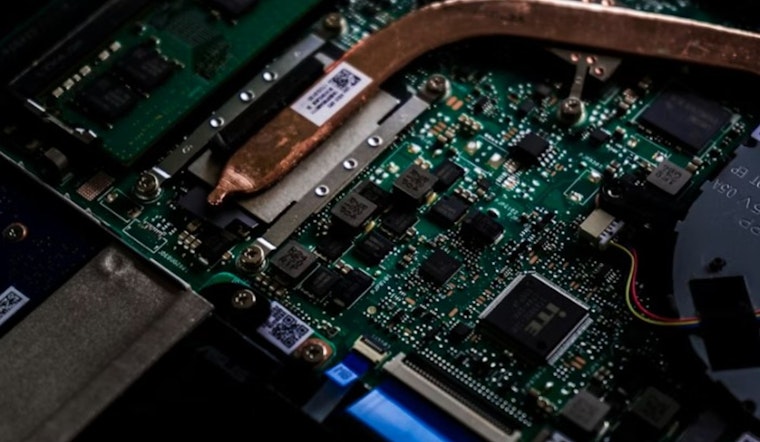
The AI boom is not just filling data centers. It is emptying wallets in the Charlotte area, where local PC builders say everyday computer parts are suddenly a lot pricier than they were just a year ago.
At Horizon Computer Systems in Concord, owner Mike Britt says RAM and storage costs have "more than doubled" and that a typical custom build now runs roughly $200 higher than it did a year ago. He says resellers are operating with thin inventory, and shoppers are walking in ready to buy, only to find they have tougher choices to make at checkout.
As reported by WBTV, Britt said AI companies snapped up surplus components late last year, leaving a void for resellers and consumers. He told the station that a 256-gigabyte drive that cost under $50 a year ago is now "close to $100," and that customers are definitely noticing the difference.
Memory Shortage Is Reshaping the Market
Industry analysts say the shortage is not just a brief hiccup. Manufacturers are diverting capacity toward high-bandwidth memory for AI servers and away from commodity DRAM and NAND used in consumer devices. According to Tom's Hardware coverage of TrendForce, contract DRAM and NAND prices climbed at record rates in Q1 and are forecast to rise again in Q2 as cloud and AI customers lock up supply. That reallocation is squeezing availability for PC builders and gaming customers and keeping retail prices elevated.
Console Prices and Consumer Pain
Component sticker shock is not limited to home-built rigs. Manufacturers are already passing higher costs onto console buyers. Sony said in a March statement that it would raise PlayStation 5 prices effective April 2. PlayStation.Blog lists the new U.S. prices, with the base PS5 up by $100 and the PS5 Pro at a higher recommended retail price.
Global Supply Shocks Add Pressure
Global supply chains are feeling the strain from more than just AI demand. The Associated Press reports that helium, a byproduct of natural gas and a critical input for some chipmaking processes, has been disrupted by strikes affecting Qatar, which supplies roughly a third of the world's helium. That loss of supply can slow semiconductor fabs and deepen shortages, according to the AP.
What This Means for Local Shoppers
Analysts warn the next several quarters could be tight. Gartner projects memory-driven price pressure will cut device shipments this year and push buyers toward used or premium models. In a February report the firm said higher memory costs could raise PC prices and slow upgrade cycles, a dynamic that would disproportionately hit entry-level buyers, according to Gartner.
Britt told WBTV he expects prices to keep rising through the year and advised customers who "need it" not to wait. For Charlotte-area builders and gamers, the bottom line is blunt: when parts run dry, the people who need machines fastest pay a premium, and those premiums look set to stick around for months.





