

























































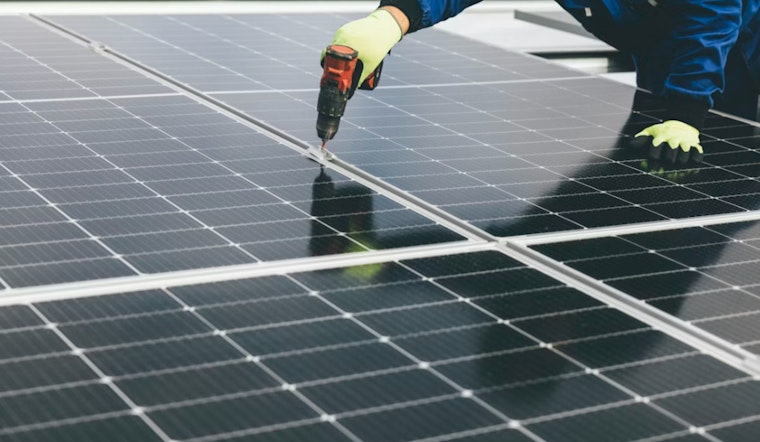
New York’s State Senate is quietly turning its budget into a solar power play. Tucked inside the Senate one‑house plan are two proposals that would supercharge rooftop and community solar, while dangling bigger perks for homeowners. One measure would hike New York’s distributed solar target to 20 gigawatts, and another would lift the state’s residential solar tax credit to as much as $10,000 and make it refundable for low‑income filers. Backers say the combo could cut electric bills and accelerate clean‑energy jobs, while skeptics on Long Island and elsewhere are raising flags about grid strain and battery safety.
What the bills would do
The residential tax credit overhaul would double the current 25% state credit cap, moving it from $5,000 to $10,000 and making the credit refundable for low‑income taxpayers, according to the New York State Senate. That change is paired in the Senate’s one‑house budget with language meant to speed up permitting, streamline interconnection and restart the NY‑Sun program so incentives for rooftop and community solar projects do not dry up. Lawmakers are pitching the package as a way to make solar cheaper and easier to access in every corner of the state.
The ASAP Act's 20GW goal
The Accelerate Solar for Affordable Power (ASAP) Act would lift New York’s distributed solar target from 10 GW to 20 GW by 2035 and direct regulators to pursue interconnection reforms that cut red tape, according to Environmental Advocates NY. The proposal also calls on NYSERDA to keep the NY‑Sun program running and to steer investments into low‑ and moderate‑income communities. Supporters argue that pairing ambitious targets with process fixes is the recipe to unlock community and rooftop projects that have been bogged down by utility delays.
What analysts say about the savings
An analysis by Synapse Energy Economics estimates that scaling distributed solar and paired storage to 20 GW by 2035 could cut wholesale energy costs by roughly $1 billion per year and shave about $46–$87 annually off the average residential customer’s bill, according to Synapse Energy Economics. The study also projects that this policy path would avoid roughly 3.2 million metric tons of CO2 in 2035 and reduce gas use by about 59 billion cubic feet. Supporters have been leaning hard on those numbers as they press lawmakers to move the legislation, and Synapse points out that New York is already ahead of earlier benchmarks, with several gigawatts of distributed solar in place and more lined up.
Reaction and the political fight
The response so far has been split. Some Long Island critics told reporters they fear a rapid solar and storage build‑out could overload local grid infrastructure and raise fresh concerns about battery safety, as reported by Newsday. Industry groups and clean‑energy advocates counter that the ASAP Act and an expanded NY‑Sun program would lower bills and create jobs, with the Coalition for Community Solar Access pointing to the Synapse findings while urging lawmakers to get the package over the finish line. The result is shaping up as a classic Albany balancing act between affordability, reliability and how fast the state should push its clean‑energy transition.
Next steps
The Senate’s one‑house budget sets aside $250 million to revive and grow NY‑Sun and explicitly lists the solar measures as priorities, according to the New York State Senate. Lawmakers approved a short budget extender on April 7 to keep state government running while they haggle over a final deal, and the fate of the solar provisions now hinges on negotiations between the Senate, the Assembly and the governor. If the package survives those talks and lands on the governor’s desk intact, supporters say New York could see a faster pipeline of rooftop, community and storage projects roll out over the next several years.




