

























































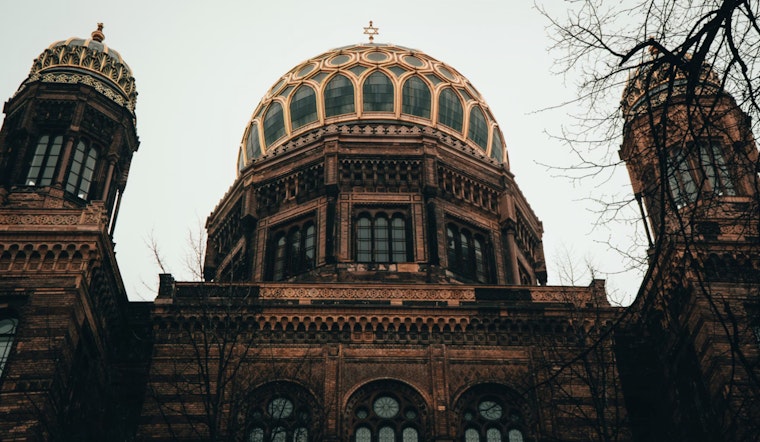
Albany lawmakers want to draw a 25-foot line around New York houses of worship and reproductive-health facilities, a buffer zone proposal that erupted after a wave of confrontational protests outside synagogues and temples. Supporters frame it as basic doorway protection so people can enter without harassment; critics warn it could cool down constitutionally protected demonstrations. The idea has been folded into state budget talks in Albany and has already helped trigger a more modest response at City Hall.
Advocates say the state push picked up steam after the City Council shifted course, opting to beef up police presence at religious sites instead of pushing a broad 100-foot protest ban, according to Gothamist. Scott Richman, regional director for the Anti-Defamation League, told the outlet, “I think it bodes well.” Rather than locking a fixed protest distance into city law, the Council asked the NYPD to come up with a plan to protect places of worship.
What the proposal would do
The draft legislation, sponsored by Assemblymember Micah Lasher and Sen. Sam Sutton, would bar demonstrations within 25 feet of an entrance, exit, or driveway at any house of worship or at a facility that offers reproductive health care, according to the New York State Senate and a state press release. Supporters and allied faith leaders argue the distance is narrowly targeted at doorways to curb intimidation at the threshold, not a blanket ban on protests along public sidewalks. “New York must always be a place where people can both exercise free speech and express their religious identity without fear or intimidation,” Lasher’s office said on his New York State Assembly page.
City Council and policing
At City Hall, lawmakers have already backed away from fixed-distance rules. The Council removed language that would have created 100-foot protest-free zones and instead passed a measure requiring the NYPD to develop plans to “address and contain” risks at houses of worship while still preserving free speech, NY1 reported. That compromise has split advocates, some of whom doubt that a policing strategy alone can protect worshippers without eroding protest rights.
Legal questions
Constitutional lawyers note that broad buffer zones face a steep legal climb. In McCullen v. Coakley in 2014, the U.S. Supreme Court struck down a Massachusetts law that created a 35-foot fixed buffer around abortion clinics, finding that such zones can “burden more speech than necessary,” according to SCOTUSblog. The New York Civil Liberties Union has cautioned that the current New York proposal could chill lawful dissent and has urged lawmakers to tighten any enforcement language, NYCLU says.
What’s next
Gov. Kathy Hochul folded a version of the buffer-zone plan into her executive budget proposal, and lawmakers pushed to lock that language into the final deal as negotiations stretched into April, City & State reported. Planned Parenthood and other reproductive-rights groups warned that the current wording could be vulnerable in court, while supporters argue that judges might still uphold narrower rules focused on safety. If the measure becomes law, it is widely expected to draw legal challenges that test where security ends and speech begins.
For now, the split between City Hall’s policing-first approach and Albany’s push for a statutory buffer has only sharpened. Both sides insist they want people to be able to worship in peace. The unresolved question is how to do that without crossing the constitutional line on protest.





