

























































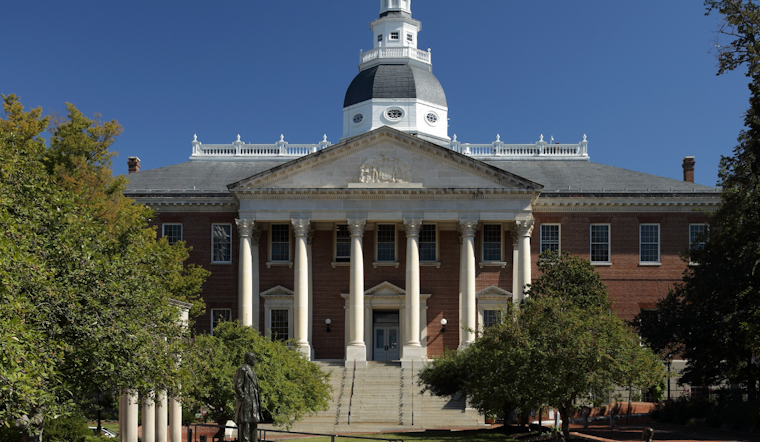
Lawmakers in Annapolis are pushing a package of eight workplace bills that could reshape how bosses talk to their employees in Maryland, touching everything from firefighter overtime to when workers can be required to sit through political or religious talks on the clock. At the center is the Maryland Worker Freedom Act, a proposal that supporters say gives employees real power to opt out of employer messaging they do not want to hear, while critics warn it could mire the state and businesses in lawsuits and new compliance headaches.
As detailed by WMAR2 News, the package is designed to bolster unions, make it easier for workers to organize, and explicitly shield employees who refuse to attend workplace meetings they view as political or religious. The Maryland Worker Freedom Act has quickly become the lightning rod of the bunch, framed by backers as protection against coerced workplace speech and by opponents as a legal minefield. House members spent about an hour wrangling over amendments, a sign of just how touchy this fight has become.
What the Worker Freedom Act Would Change
House Bill 45 would bar employers and their agents from disciplining, firing, or refusing to hire someone because that person declines to attend, participate in, or listen to an employer-sponsored meeting where the employer is sharing opinions on religious or political matters, according to the bill text from the Maryland General Assembly. Workers would have 180 days to file complaints with the Commissioner of Labor and Industry, and the law would authorize mediation, civil penalties, and remedies, including reinstatement or back pay.
Employers would also be required to post a model notice summarizing these new rights in the workplace, and the proposal is written to take effect Oct. 1, 2026, unless lawmakers change that date. The mechanics may be dry, but the stakes are not, as the bill would draw a brighter line around what counts as voluntary participation when the boss wants to talk politics or religion.
Debate on the House floor revealed the split. Republican Del. Jason Buckel warned that the state could face lawsuits and expensive taxpayer exposure if the measure runs afoul of federal rules, while Democratic Del. Vaughn Stewart told reporters the bill is simple and defended it as a guardrail against employers pressing their political or religious views on staff. According to WMAR2 News, Democrats turned back multiple Republican amendments, and labor groups are firmly behind the core idea of shielding workers from coerced meetings.
Firefighter Overtime and Payroll Transparency
The broader package also features House Bill 532, which would require governmental employers to pay overtime to firefighters for every hour worked beyond 168 hours in a 28-day work period and to provide more detailed payroll statements, according to the fiscal and policy note from the Maryland General Assembly. Local governments told analysts that the change could significantly increase personnel costs in some counties.
The bill’s enforcement and reporting provisions are scheduled to kick in on Oct. 1, 2028. Supporters, including Professional Firefighters of Maryland president Jeff Buttle, have argued the measure would ensure fairness, consistency, and transparency in pay for long shifts, a theme highlighted in local coverage as part of a broader push to standardize compensation for public safety workers.
Where This Fits in the National Trend
Maryland’s move comes amid a national clash over so-called “captive audience” meetings. In November 2024, the National Labor Relations Board concluded that mandatory employer meetings used to influence employees about unionization are unlawful, a major shift that has prompted several states to consider complementary protections. The federal agency’s guidance and rulings have become part of the backdrop for state debates over how to balance employer speech with worker rights, according to the NLRB.
Labor organizations, including AFSCME, have folded the Maryland Worker Freedom Act into their 2026 legislative priorities, arguing it fits with a slate of other proposals to strengthen collective bargaining and workplace protections across higher education and public services. For unions, this package is not just a one-off; it is part of a longer play to reshape the rules of engagement between management and workers.
Legal Questions and Pushback
Opponents are zeroing in on the legal fine print, especially the risk of federal preemption and costly litigation. They argue that shifting NLRB guidance or future court rulings could complicate state enforcement or even knock pieces of the law off the books. Del. Buckel raised those concerns during the House debate, according to WMAR2 News, warning that Maryland could find itself embroiled in court fights if the state framework collides with federal labor law.
Backers respond that the bills are tightly drafted, with carve-outs for required legal trainings, government orientations, and bona fide academic activities. They also point to the NLRB’s recent positions as support for state-level action, arguing that Maryland is moving in step with evolving federal labor protections rather than against them.
Next Steps and What to Watch
The package is still snaking its way through a shortened legislative calendar as lawmakers scramble to lock down votes ahead of crossover and the end of session. WBAL’s session roundup described how contentious labor and budget bills have climbed to the top of the agenda this month, and this workplace slate is firmly in that mix.
Expect more amendment battles on the floor, sustained lobbying from business groups and unions, and the real possibility of court challenges if the marquee measures become law. The big question: does the Maryland Worker Freedom Act reach the governor’s desk largely intact, or does it get narrowed along the way to avoid the legal and political crossfire? For now, Annapolis is very much in listening mode on who gets to walk out of a meeting and who still has to stay in the room.





