

























































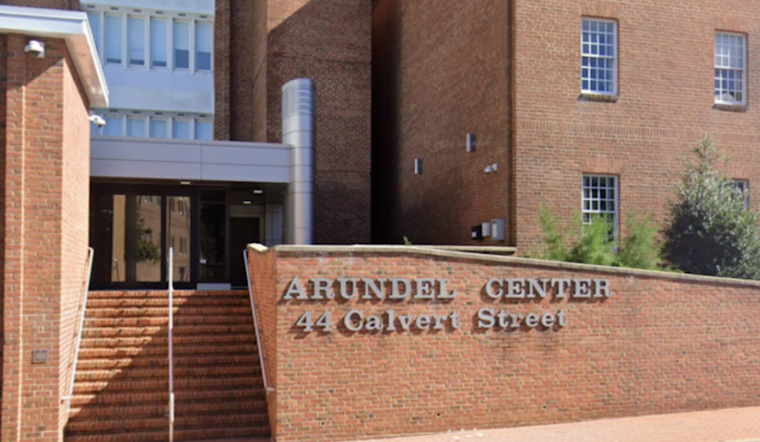
Anne Arundel County is hustling to add more homes as Maryland stares down a severe housing shortage. Statewide estimates put the shortfall at roughly 100,000 units, and county leaders say that gap is driving up costs and nudging residents to look elsewhere. In response, local officials are leaning on updated redevelopment rules, a newly seeded affordable housing fund, and state production targets in an effort to keep workers and families rooted in the county.
County Executive Steuart Pittman has been making the case that Anne Arundel has to build and preserve at the same time, as he outlined in a recent segment with Fox Baltimore. He cast the strategy as a mix of new construction and saving existing units so the local workforce is not priced out of the communities they serve.
Statewide Targets And The Numbers Behind The Crunch
The Maryland Department of Housing and Community Development’s 2030 Housing Production Targets spell out the scale of the challenge. The state projects it needs about 184,784 additional housing units by 2030 and warns that at current permitting rates, Maryland would produce only about half that number, according to the Maryland Department of Housing and Community Development.
The Comptroller’s October 2025 analysis puts a finer point on the shortfall, flagging a present gap of roughly 100,000 units and tying that underproduction to net domestic outmigration and lost tax revenue, per the Maryland Comptroller. In other words, if Maryland does not catch up on housing, it risks watching residents and revenue slip over the border.
Anne Arundel’s Toolkit: Redevelopment And A Trust Fund
On the local level, Pittman’s FY26 budget plants some of the seeds he says are needed to grow more homes. It sets aside $10 million to launch a new Affordable Housing Trust Fund geared toward preservation and smaller-scale projects, according to Anne Arundel County. “The $10 million in this budget to seed our new Affordable Housing Trust Fund,” Pittman wrote in his budget address.
The County Council has also tried to clear a path for more homes in places that are already built up. Last year, it passed a redevelopment ordinance, Bill 2-25, intended to speed approvals, reduce certain fees, and allow higher residential density in commercial corridors so older properties can be converted into housing, according to Anne Arundel County. Supporters frame it as a way to unlock new units without sprawling farther into undeveloped land.
Community Pushback And The Political Tightrope
The push for more housing has not exactly been a quiet affair. Neighborhood groups and some council members have resisted denser development, citing worries about traffic, strain on public services and changes to neighborhood character as the redevelopment rules have shifted, according to CBS Baltimore. Those tensions have shaped recent council debates and turned housing production into a political tightrope for county leaders.
What Comes Next
County officials say they plan to measure their progress against the state’s production targets and push for state and federal resources to accelerate projects near transit and on public land, in line with the framework laid out by the Maryland Department of Housing and Community Development. Meeting those targets, along with heeding the Maryland Comptroller’s warnings about migration and lost revenue, gives Anne Arundel a relatively narrow window to ramp up permitting and protect its tax base, county officials and state analysts say.





