

























































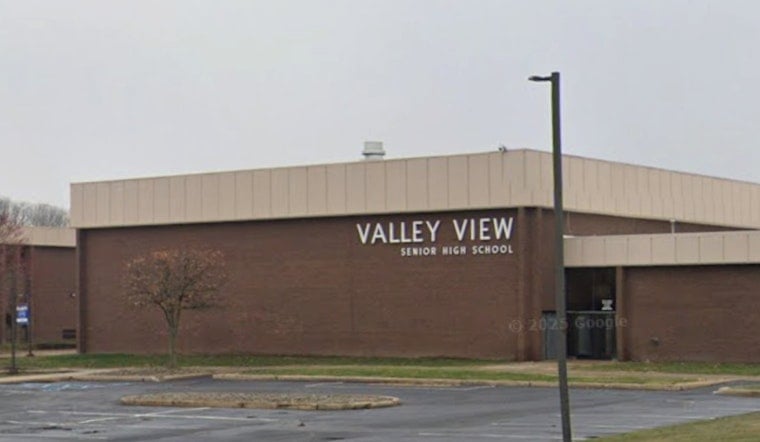
Valley View High School in Archbald, Pa., turned into a pressure cooker on March 10, as a packed auditorium of residents waved “NO DATA CENTERS” signs and grilled officials over plans to carve enormous server campuses into the borough’s ridgelines. In a town of roughly 7,000, the showdown has become the local flashpoint in a national rush to build AI-grade data center capacity, raising pointed questions about water, power and whether small communities should host industrial-scale digital infrastructure. Elected leaders, developers and federal lawmakers are now wrestling with whether to slam the brakes or floor the gas in the name of jobs and global competitiveness.
Packed hearings and a vocal opposition
More than 400 people filled Valley View’s auditorium for a public hearing where opponents wore bright yellow shirts and held signs telling developers to “go home,” according to The Times-Tribune. Residents pressed project teams on generator testing schedules, diesel fuel storage and what heavy traffic and construction could mean for roads, schools and the borough’s character, speaking in repeated rounds of public testimony. The emotionally charged sessions have become the centerpiece of a local push to slow or stop multiple proposed campuses in the Midvalley.
Proposals lease up mountainsides
Developers have filed several conditional-use applications in and around Archbald, and county records show one group recently acquired roughly 495 acres tied to a proposed campus, according to Lackawanna County. Under Archbald’s data center overlay zones, each campus needs borough council approval, which means public hearings and conditions before any project can move ahead. For residents and local officials, those filings make the scale of what is on the table painfully tangible: dozens of buildings, wide service roads and heavy utility infrastructure strung across former mine ridgelines.
Numbers that alarm neighbors
Project documents and public testimony have floated worst-case figures, including up to 3.3 million gallons of water per day at peak, roughly 1.6 gigawatts of power demand and, in some designs, hundreds of backup generators spread across a single campus. Those details stunned many attendees, The Times-Tribune reported. Community groups and reporters have also highlighted worries that the buildout could push up electric bills, strain volunteer fire departments and permanently reshape land use and housing pressure in the region, concerns documented by Spotlight PA. Residents say those technical and social questions are why they want more studies and binding promises before any shovels hit the ground.
Why this fight is bigger than one borough
Archbald’s battle is one small piece of a national buildout. There are more than 4,000 data centers across the United States as companies race to provide the computing power that modern AI demands, according to CBS News. In Northern Virginia, the vast “Data Center Alley” cluster of server farms has already reshaped county budgets, land use and long-term planning; officials in Loudoun County say the industry has forced new local policy choices and long-range responses. Those massive clusters, along with the utilities, transmission lines and permits that feed them, are driving similar conflicts from Pennsylvania to the Pacific Northwest.
Lawmakers, developers and the push to pause
On March 25, Sen. Bernie Sanders and Rep. Alexandria Ocasio-Cortez introduced the Artificial Intelligence Data Center Moratorium Act, a bill that would halt construction of AI-scale data centers until federal guardrails are in place, according to AP News. The measure faces long odds in Congress but signals growing progressive concern about AI’s social and environmental footprint. At the same time, developers and some elected officials argue that these facilities are critical infrastructure, promising jobs, tax revenue and the computing power needed for scientific advances, a framing that has helped data center projects win political support in other states.
Recent local developments
Archbald’s resistance has already produced a tangible result. On March 27, the borough council voted 5-0 to deny a conditional-use permit for an 18-building campus, a decision opponents quickly celebrated, WVIA reported. The move does not end the fight, since developers can appeal, refile or take other legal steps, but it shows that local hearings and organized opposition can alter timelines and outcomes. Nearby municipalities are paying close attention as their own hearings, ordinances and potential legal challenges move through county planning boards.
Legal and planning hurdles ahead
Archbald’s review process illustrates the maze any jurisdiction faces when weighing massive data center campuses. Conditional-use rules, requirements for utility “will-serve” letters, water-feasibility studies and environmental reviews can all slow or reshape projects, according to notices and filings published by Lackawanna County. Opponents argue that binding community benefit agreements and careful conditioning of any approvals are the only ways to ensure developers’ promises translate into real protections on the ground. Proponents counter that speed and predictability in permitting, along with assurances of jobs and tax revenue, are the strongest reasons to keep these projects moving.





